






Rydell Cars

Blog / Grand Forks Car Wash

How Often Should You Get Your Car Washed?

Red car going through car wash

While you may not neglect to take a shower regularly, it can be easy to forget when you should give your car a proper wash. Some drivers may not give their car a wash for weeks or even months on end, but that is not a recommended practice.  If you want to show your car proper care, you should regularly schedule time to get your car washed.

Doing so will help you protect your vehicle from all the elements that can get it dirty — like acid rain, tree sap, and bird droppings to name a few. We at the Rydell Auto Group want to help all our Grand Forks, North Dakota, drivers keep their cars looking their best. Let's take a look at some more reasons why you should regularly get your car washed.

How Frequently Should a Car Be Washed in the Winter?

Photo by camilo jimenez on Unsplash

Even if you drive a rugged work truck, if you live in an area that can get heavy loads of snow and ice during the winter months, then you should wash your car or get you car washed in winter once a week at the very least. This may sound like an extreme cleaning schedule, but it is necessary if you want to protect your car's paint job and undercarriage from the damage that can be caused by road salt.

There is more to cleaning your car than simply paying attention to a regular schedule. Be sure to wash your vehicle only when the temperature outside is higher than 40 degrees Fahrenheit. If you were to wash your car at lower temperatures, you could actually hurt the exterior of your car. For example, if you were to douse your car with water on a very cold day, the water could freeze and then cause ice damage to your paint. This is one of the many reasons it can be easier and safer to clean your car in winter at a professional car wash.

In order to avoid harm from the weather or road salt alike, make sure you have a plan to wash your car as often as the temperature allows.

How Frequently Should a Car Be Washed in the Summer?

The changing of the seasons also hails the changing of your car wash routine. While the tough conditions of winter may require you to wash your car once every week, the summer season tends to give car owners some time to relax between washes. During these warmer months, you'll only need to wash your car about every two weeks.

There are different factors that will affect this schedule, such as how you store your car or where you live. For example, if your area tends to have higher humidity and is prone to hosting a big bug population that seems to find itself decorating your windshield, then you should have your car washed closer to every 10 days or so.

Of course, you can also do yourself a favor and store your car in a garage after a wash. This added protection can decrease the need to wash your car dramatically. If you keep your car in a garage or even under a fabric car cover, you could potentially only need to wash your car once a month instead of three times a month.

How Frequently Should the Undercarriage Be Washed?

Many drivers have not given their car's undercarriage much thought and most would not realize that washing the undercarriage of their car is vital to their car's overall care. It's important to note that while you should be sure to clean the undercarriage, it does not need to be cleaned as frequently as the rest of your car.
If you mostly use your car for commutes to work and running errands, the undercarriage of your car should ideally be washed four times a year, or, if it helps you remember, once a season. If you regularly take your car on off-roading adventures or enjoy exploring the path less traveled, you should plan on washing the undercarriage at least six times during the year.

How Frequently Should a Car Be Washed To Defend Against Rust?

If you are concerned about rust forming on your vehicle, stick to the rule of thumb and wash your car every two weeks during warmer weather. Of course, during the winter when salt is on the road, you should be extra vigilant. When the colder months set in, plan on treating your car to a bath every ten days — not only to defend against road salt damage but rust spots as well.

How Often Should a Car Be Waxed?

Washing your car is an important step to maintain your car, but you should also be waxing your vehicle. When you wax your car, not only do you give it that new car sheen, but you are also adding a protective layer that blocks the effects of harsh ultraviolet rays, vehicular pollution, and tree sap. Typically, you should only need to complete this task four times during of the year.

Of course, if you are driving a classic restoration, you should plan to wax it more frequently. While applying wax to your car does take a bit of work, the overall benefits of doing so are worth all the effort.

Should You Use an Automatic Car Wash Regularly?

Generic automatic car washes are incredibly convenient but they should only be used if you are in a pinch for time. These car washing services come with a long list of fine print attached because they were not created with every make and model of car in mind. Using an unmanned automatic car wash service regularly can result in a lot of unnecessary headaches like a torn-off antenna that needs replacing, water spots, and the harsh chemicals in such facilities can actually start to destroy your car's clear coat over time, resulting in corrosion and, ultimately, rust.

You can avoid all these issues by taking the time to hand wash your car. By implementing this tried and true method you can prevent the usual wear and tear on your vehicle while making it look brand new at the same time.

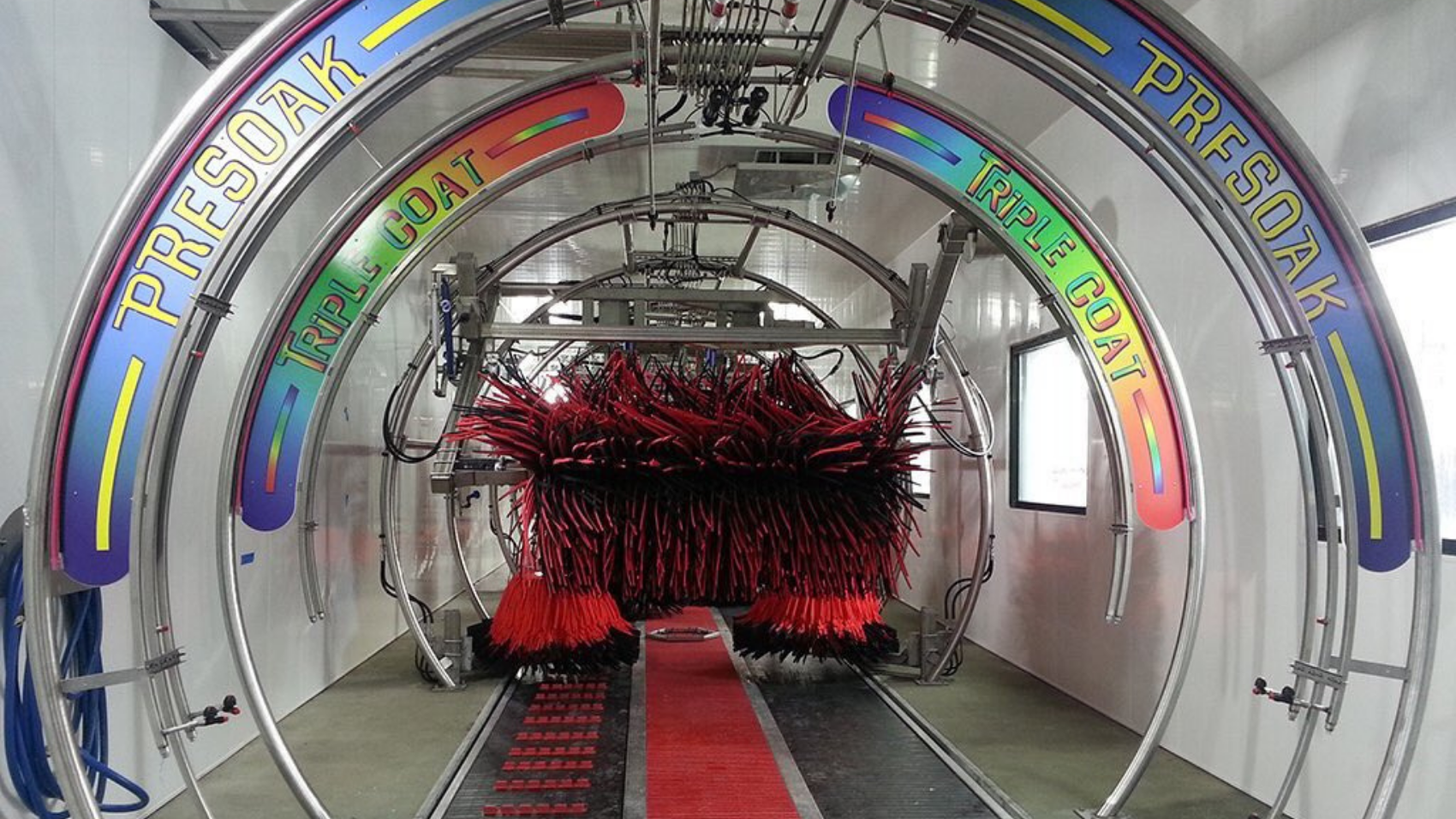
Contact the Rydell Car Wash

We at the Rydell Auto Group hope that this article has illustrated the importance of regularly washing your car. If you still have questions about the best way to maintain your vehicle during any season, get in touch with us. We look forward to helping all our Grand Forks drivers.
Posted in:

Related Posts

Inside of state-of-the-art Rydell Car Wash on Gateway.

Can you go through a car wash in the winter?

Keeping your car clean is crucial in the winter months, but there are some major hazards that can get in the way of a traditional car wash. Our freezing temperatures in Grand Forks can leave your car iced up and unfit to drive if you're not careful about your approach. Learn how to care for your car properly in our freezing winter months. more The Hazards of a Dirty Car in Winter The winter months present numerous hazards for vehicles. The very road salt that helps keep roadways clear while you're driving can wreak havoc on your vehicle. Salt accelerates corrosion, so exposure to road salt will cause your vehicle to rust more quickly than it would otherwise. The risk is most prevalent for your car's undercarriage, which is constantly splashed with the briny blend. Critical parts like your brakes and transmission are exposed on the underside of the vehicle, putting them at a greater risk of rust damage. When salt splashes up and dries on your car's coating, it can damage your paint job. Any salt that creeps under the hood (most likely around the seams) can even wreak havoc on your engine. Packed snow and ice present additional dangers. If this accumulates around the exhaust pipe, it could cause carbon monoxide to back up inside the car. Packed snow in the engine may constrict moving parts or otherwise damage the engine. Around the brake pads, packed snow may damage seals and cause brake fluid to leak. If ice seeps in around your car doors or door locks, you may not even be able to get into your vehicle. Properly caring for your car in winter can help minimize some of these hazards, but you'll need to know how to address the problems properly or you may risk worsening them. Preparing Your Vehicle for Cold-Weather Months Preparation and prevention are the best ways to handle cold-weather hazards for your vehicle. You can protect your car from damage by taking steps to winterize it before you're facing the threat of snow and ice. Around Grand Forks, this means getting to work around September. Prepare your car for winter by: Filling any chips in the paint. Leaving them exposed provides an opening for rust to take hold. Applying wax or another protective coating like ceramic to your vehicle. Having the undercarriage thoroughly cleaned. Inspecting your windshield wipers and changing as needed. Checking your tires for appropriate tread and any signs of damage. Repair or replace as needed. Have your oil changed to a product that's optimized for winter. Fill your radiator with a 50/50 mix of water and antifreeze. Clean battery connections and make sure they're tight. Replace your windshield wiper fluid with de-icing fluid. The Dangers of Washing Your Car in Winter Frequent car washes are one of the best ways to remove road salt, ice, and packed snow from your vehicle in winter. However, it's not easy to wash your car when the temperatures are below freezing. In Grand Forks, the average high is below freezing from December through February. The average lows are below freezing from November to April, and you can easily encounter freezing temperatures on occasion outside of this range. Freezing temperatures mean that water can turn to ice while you're working. If you're not careful, an attempt at washing your vehicle could leave it encased in frozen soap and water, which is in itself harmful. Tunnel car washes are no exception. There's little to no protection from freezing here, and you may end up sitting in an icy car that's no longer fit to drive home. How To Wash Your Car in Freezing Temperatures If you're planning a DIY car wash in winter, you'll need to work in a very careful manner. Always choose the warmest day of the week. Wash the car in direct sunlight during the warmest hours to maximize your chances of getting an environment that's above freezing. Wear waterproof gloves to protect your hands from the wet and cold, and work as quickly as you can. Follow these steps to successfully clean off your car when it's below freezing: Drive the car around the block a few times with the heater on high before you begin washing your vehicle. This will help warm it up from the inside out. Fill a few 5-gallon buckets with hot water or connect your hose directly to your water heater. The hotter the water when you begin, the longer it will take to freeze. Rinse the vehicle with warm water. Spray it down with a high-pressure water hose connected to hot water if possible. This spray applies less water to the car, reducing the risk of freezing. Working with one panel at a time, wash the car using warm water and soap that's formulated for washing cars. Rinse the panel as soon as you're finished washing it. Immediately dry that part of the car with a microfiber towel. Have a ready supply of dry towels, as thoroughly drying the car is one of the most important steps. Repeat as you work your way around the car, working in small sections. Pay extra attention to the seams around the hood, the tires and wheel wells, the door handles and locks, and the seams around the doors and trunk. Professional Solutions for Cold-Weather Cleaning A DIY car wash is a great way to protect your car from winter weather, but even the best at-home cleaning can't compare with what you'll enjoy from a professional. Ideally, you will give your car a thorough wash at home once a week and periodically take it in for professional detailing as often as you can manage. This is the best way to get the undercarriage clean and ensure that even the smallest parts of the car are treated for salt and snow. Our service experts at Rydell Auto Group offer expert car cleaning services. We also offer detailing services for boats, motorcycles, ATVs, and even fish houses. If you have outdoor equipment that needs to be cleaned, contact us for an appointment now.

A brick building car wash and detailing

Why shouldn't you use the hose to wash your car?

Washing your car regularly is an important way to keep it looking good for longer. You may be thinking that your best option is to wash your car at home, but there are several reasons why this isn't a good idea. Here's a look at why you should avoid washing your car at home. more You'll Waste a Lot of Water Image via Flickr by NNECAPA via CC BY 2.0 One of the main problems with washing your vehicle at home is that you'll end up using a lot more water than a professional car wash requires. First and foremost, you're not likely to have access to the professional equipment used at a car wash to speed up the washing process. This means you'll need more time to wash your car if you do it at home. A related issue is that a standard garden hose uses a lot of water. On average, a hose uses about 10 gallons of water for every minute of use. By contrast, the average carwash requires about 40 gallons of water to wash one car. This means that after just 4 minutes of hosing down your vehicle, you'll be using more water than a carwash would need to finish the job. If you spend 30 minutes washing your car, you'll have used 300 gallons of water on average. This would be enough water to wash your car seven times at a typical commercial car wash. Over time, the cost for the extra water you'd need if you regularly wash your car at home could be considerable. Paying the relatively small amount of money required to use a carwash is likely to prove less expensive in the long run. You'll Wash Pollutants Into Nearby Drains Whether you drive your car on busy city roads, on the highway, or off the beaten track, it picks up a lot of debris, dust, and dirt. Salt, sand, mud, dust, and oil are all substances that can potentially stick to your vehicle's exterior, including the windows and undercarriage. If you clean your car at home, all of this dirt will end up being collected in the nearest runoff drain. Runoff drains in residential areas are not designed to cope with these kinds of substances. In fact, their main purpose is to allow rainwater to be drained off the street or sidewalk whenever the weather takes a turn for the worse. If you contaminate the drain near your home with everything you wash off your vehicle, there's a good chance that it will struggle to cope over time. The drain's inability to break down the substances you've washed off your car can also damage the local environment. You Could Damage Your Vehicle's Paintwork The cleaning products that many people have at home are not suitable for washing cars and may actually cause damage to your vehicle. For example, a typical household soap can dull the color of your car's paintwork by oxidizing the paint. Since most people washing their car at home will do so outdoors, they also face the problem that the sun can dry the soap that's on your vehicle. This can lead to a buildup of residue on your vehicle that won't look good. Washing your car in direct sunlight can also cause spots to be burned in the paint. Even if you plan on using specialty auto cleaning products, these are still likely to be less effective than they would be at a carwash. For instance, you'll probably need to scrub your vehicle with a sponge or mitt, which won't be necessary if you go to a carwash. The added friction caused by your scrubbing can lead to scratches on the paintwork and other damage. What Are the Benefits of Visiting a Car Wash? The biggest advantage you gain from going to a carwash is that it will produce a higher-quality result. The equipment available at a commercial carwash can generate a higher level of water pressure than a normal hose at home. This helps in removing tough dirt and grime that you may not be able to get rid of yourself. Commercial car washes also remove the need for excessive touching and scrubbing of your paintwork. Whether you go to a tunnel car wash or use a different setup, you'll find that most of the cleaning is done by equipment that sprays water and cleaning products from a distance. If brushes are used, they are generally designed to avoid causing damage. As a result, the likelihood of damaging the exterior of your vehicle is reduced. Commercial car washes also have systems in place to safely dispose of the water contaminated by the substances that are washed off your car. They have water treatment equipment that can separate things like oil residue, metal sediment, and other substances that can be damaging to the environment. A further benefit you get by visiting a commercial car wash is that additional services are offered to keep your car looking its best. You can have the paintwork waxed to produce a fresh look. You also may decide to have your vehicle vacuumed. Visit Our Modern Car Wash in Grand Forks Today Now that you know why visiting a professional car wash is a better option than washing your vehicle at home, why not drop by one of our two car wash locations in Grand Forks? At Rydell Cars, we use state-of-the-art technology at our two car wash facilities to produce the best results and keep your vehicle safe. Our foam brushes guard against the risk of scratching your paint, and our optional hot wax treatment can leave your vehicle appearing sparkling and new. Once your car wash appointment is complete, you can take advantage of our complimentary vacuuming service. We also have a detail center to take care of all other cleaning needs. If you have questions about any of our car wash services, don't hesitate to contact our helpful team. We'd be delighted to provide you with the answers to your questions so that you can use our services with confidence.

Woman riding a 4 wheeler through a large pool of mud

How Do You Get Mud Out of ATV Plastic?

All Terrain Vehicles (ATVs) are designed to be ridden in the wettest, muddiest, and dustiest conditions, and most ATV owners have no difficulty getting their quad bikes dirty. But after the fun ends is when the hard part of owning an ATV starts — cleaning your quad and getting it back to its former shiny glory. more If you want to keep your ATV's plastic parts looking like new, you need to adopt a cleaning and protection routine from day one. By following these few simple steps, the tedious job of cleaning your quad will be a lot easier. If your ATV is white, some additional steps may be needed to keep its original color and shine. Presoaking If your ATV is covered in caked-on mud and dirt, an important first cleaning step is to presoak it. This simply involves using a hose to spray your quad with an intense spray of water and leaving it to soak. Try to get the spray into all the smallest recesses. Use your hands to get rid of any big chunks of stuck-on grass and mud. Turn Up the Pressure The next step is to blast off all the loosened dirt. Using a pressure washer is the simplest and most thorough way to do this. If you don't have access to a pressure washer, you can use a hose with a nozzle turned to its most powerful setting. Clean off as much dirt and grime as you can, to make the rest of the cleaning easier for yourself. Sponge and Detergent Use a good automotive cleaner and a sponge to scrub all of your quad's surfaces, paying particular attention to the plastic parts and the seat. For any rough or difficult-to-clean parts of your ATV, use a stiff brush to remove tough dirt. The detergent will help to get rid of any oily stains. Drying There are different ways to dry your quad, depending on what you have to hand. If the plastic is still wet, the heat of the sun and a lint-free cloth work really well. If you have access to an air compressor, it not only dries your ATV's plastic surfaces but can also get into all the nooks and crannies that you can't reach with a cloth. This helps to prevent rust spots developing in hard-to-reach areas where water can sit in pools. Polish the Plastic Many ATV owners think polishing the plastic is a step too far for a vehicle that's going to get covered in mud next time out. But if you want to keep your quad looking great, or at least try to reduce the faded and scuffed-up appearance of plastic surfaces, you shouldn't skip polishing. Once your ATV is dry and free from water spots, use a specially designed plastic polish on all the plastic areas. You simply spray it on and buff it until the surfaces shine. However, don't use the polish on your seat, as you might find yourself sliding off the slippery surface on your next ride. Restoring Discolored White Plastic If your ATV is white, it might need some extra cleaning because even the smallest bit of dirt will stand out on white plastic surfaces, causing the white to become discolored. Take these additional steps to restore your quad to bright white. Fill a large bucket or bowl with one part water and one part bleach. Remove small white plastic parts from your quad and soak them in the bleach-water mix. For the larger parts, soak paper towels in the bleach solution and cover the discolored plastic with them. Be sure to wear gloves when using bleach. Alternatively, you can buy automotive spray-on bleach products. Either way, leave the solution on the plastic for a while. Wipe the surfaces with a soft cloth, then spray them with a pressure washer or hose and nozzle. Afterward, dry the parts and admire your shiny white ATV. Use a Sealant To make your ATV's plastics easier to clean, you could treat them with a good-quality plastic sealant spray before you go riding in the mud. The protective coating helps to repel water and mud. Instead of sticking to the plastic, muddy water will sit in beads on the surface. Your quad will still get dirty when you hit the muddy trails, but it makes it much lighter work of the cleaning afterward. Before you use the sealant, your ATV must be thoroughly cleaned and dried to ensure the sealer will stick properly to the surfaces. Also, make sure you read and carefully follow the product's instructions for use so that you get the lasting finish you want. After that, it's a simple job to apply the sealer to all plastic parts components you want to protect. Leave the sealer to sit for a couple of minutes, then buff the treated areas with a dry rag or a micro cloth to remove excess spray and bring your quad's plastic surfaces to a shine. The sealant is safe to use on all body surfaces, but you should avoid spraying the product on the engine or electrics. Also, you need to consider that some sealants, especially if they're silicone-based, can make your handlebar grips and seat slippery, so it's advisable not to coat those parts with the product. Cleaning the Seat As we mentioned above, you shouldn't use polish or sealant on your ATV's seat. Although these products will make your seat shiny, clean, and protected, they will also leave it slippery, making your next riding adventure potentially dangerous. For cleaning and protecting your seat, the best product to use is a degreaser. It will remove the mud and water stains to leave it looking like it just left the showroom. Most degreasing products will do the job. You just need to ensure it's compatible with vinyl and won't damage the seat. Following these easy steps will help keep your ATV looking its best. If you have any other tips for cleaning and protecting your quad, please let the team at Rydell Auto Group know, and we'll pass them on.