






Rydell Cars

Blog / Grand Forks Detail Center

How To Clean Your Boat

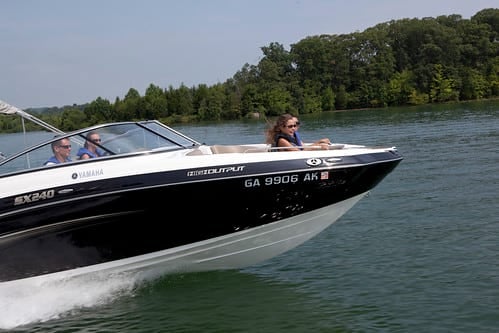
Dad drives speed boat with wife next to him and to kids at front of the boat smiling

Boat owners like to joke that their boat is a hole in the water they pour money into, but you won't find many boat owners willing to give away their prized watercraft. Instead, they take meticulous care of their investment because they love the days spent cruising the lakes, angling for fish, or towing friends and family behind on skis and tubes. 

Still, most boat owners didn't buy their boats with the knowledge of how to clean them properly. They learned how by talking to other boat owners and reading how-to articles on cleaning boats, like this one, or they turn to trusted professionals to clean and detail their boats. Read on for tips on how to get your prized possession cleaned up and protected, and get in touch if you require boat detailing in Grand Forks.

Boat Carpet Cleaning

Image via Flickr by Yamaha WaterCraft

The carpet of your boat might take the most abuse of any area on your boat. Passengers climb in and out from beaches, river beds, and docks, tracking dirt and debris with them. You probably have some form of Astroturf installed as your "carpet" rather than the pile carpet material you might find in a living room. Water can ruin a regular carpet, but the synthetic plastic of Astroturf resists water damage and mildew. 

You do need to clean your carpet periodically, though. If you have a pressure washer, you should hose down your boat carpet after every trip. After a particularly filthy trip, say a weekend fishing tournament, you may want to get a deep clean. You've probably dripped fish slime and bait everywhere. Power washing the carpet with a professional cleaner will help keep your carpet looking like new.

Cleaning the Livewell

Your livewell keeps the fish alive and well while you continue fishing, but leaving it uncleaned can result in a smelly breeding ground for bacteria. You don't want to use strong chemicals like bleach, as they can harm the fish — and you, if you decide to eat what you keep. Baking soda and water can clean and remove those fishy odors without the harmful side effects. You want to clean your livewell filters too.

Bilge Cleaning

The bilge area in your boat can harbor some of the worst dirt, grime, sludge, and oil residue. This build-up presents a challenge for most boat owners, but don't fret. You can find non-toxic cleaners that break down grease and grime without having to put in the dreaded elbow grease. You should rinse out your boat's bilge area after every use and use a commercial cleaner as often as necessary.

Console and Glass Cleaning

Your boat's console and windshield constantly get wet from spray and rain. When the water dries, you may get unsightly water spots. A simple window cleaner will clean these areas, leaving them looking like new with minimal effort. 

Cleaning the Seats

When you power-wash the carpet, you should power-wash the seats too. The next step takes time and effort. Let the seats dry, and then apply a vinyl shampoo and conditioner. This application will help protect your vinyl seats from cracking and fading due to sun exposure.

Cleaning the Hull

The hull of your boat takes a beating as it crashes through waves, runs up on beaches, and bounces off of docks. Washing your boat hull after every trip will help. Regular deep cleans with professional cleaners designed for your boat hull's material will keep your boat shiny and new, counteracting the damage that exposure to sun and water can inflict.

Some boats can benefit from gel coats, too. These gel coats provide a protective barrier against the elements, like wax does for your car. The application process depends on the product you purchase. Be sure to find one that suits your ability and fits into your schedule. You don't want to be up late at night applying a coat of wax because you bought a product that takes too long to apply.

Engine Cleaning

Your engine powers your boat. In addition to keeping it in tip-top running condition, you want to clean it up so it looks nice and new too. Dish soap and warm water will clean most gas or oil spills, and a scrub brush will help with any mold or mildew stains.

Trailer Cleaning

Every boat owner should take proper care of the trailer that carries their boat to and from the lake. Washing your trailer should be a priority. Take care of the tires, too, as exposure to the sun can result in cracking and a possible blow-out. You probably have a winch to help you pull the boat onto the trailer. If so, be sure to keep the rope or chain clean. Oiling the gears and chain can help preserve the metal and prevent rust.

Have a Professional Detail Your Boat

We often take our cars, trucks, and SUVs to a professional detailer to keep them looking pristine and new. Did you know you can have your boat detailed too? At the Rydell Car Wash and Detail Center, our specialty detail center has experience detailing all types of watercraft. Whether you have a jet ski, bass boat, or speed boat, our expert detailers have the knowledge, equipment, and cleaning solutions to restore and rejuvenate your boat.

We have Express options for under $100 and deluxe packages that cost less than $200. A quick conversation with our detail center will determine which option will give you the best results.

In most cases, we can detail your boat and trailer while you wait. We have a deluxe detail lounge where you can relax, munch on complimentary snacks and drinks, watch television, or grab one of our iPad tablets and surf the net. No matter what size boat you have, our technicians can handle the job. If you don't want to wait, you can drop your boat off, and we'll contact you when we've completed the task.

Schedule Boat Detailing in Grand Forks

We'll take the time to clean the inside of your boat, hitting all the hot spots. We also get into those hard-to-reach places where dirt and grime collect. We have various detail packages, from simple wash and cleaning options to deep cleaning and waxing deals. You can contact one of our detail technicians to discuss the different options and find a package that fits your needs and budget, or you can schedule your detail appointment online.

Posted in:

Related Posts

White Speedboat on a blue lake

How Often Should I Clean My Boat?

Deciding how often to clean your boat is tricky, especially with the variable water conditions in North Dakota. There are a lot of factors that influence when and to what degree you need to clean off your water vehicles. The simplest answer is that you should clean your boat before it becomes too fouled to easily wash with mild cleaners. You don't want to discover when this occurs the hard way, though. Careful observation will give you some important clues as to how often you need to clean off the hull, and professionals can give you fairly exacting recommendations for your cleaning schedule. Here are some handy questions to ask yourself that will help you determine the best schedule for washing your boat, so you can always enjoy a fresh and welcoming watercraft. Err on the side of more frequent cleanings to begin with, and only space these out if you find you're cleaning a consistently pristine vehicle. more Do You Store the Boat in the Water? If your boat is stored in a marina, it's constantly exposed to water and all the creatures dwelling within. Boats that are kept in the water should have their hulls cleaned every four to 12 weeks. You should never go more than three months without a hull cleaning, as this can lead to a serious accumulation of aquatic organisms. The exact location where your boat is stored will help you determine where your cleaning schedule should fall in that four- to 12-week range. Biotic growth is generally slower in fresh water and cold conditions. However, growth speeds up if there's a lot of tidal flow bringing a ready source of food by for the filter feeders clinging to your boat. This is true of areas with wastewater runoff as well, since this wastewater contains nutrients that will cause microorganisms to grow more quickly. Adjust your cleaning schedule accordingly based on these factors. You can clean your boat less frequently if you've recently applied protective paint to the hull. However, this paint will wear off over time, and the protectant tends to leech off into the water, making them less effective even before they're visibly worn. If you don't store your boat in the water, the best time to clean it is after each use. Wash it from top to bottom and front to back with a mild cleanser and water. Polish it dry with a chamois before returning your boat to dry storage so it will be in a good condition for your next excursion. Is the Boat Covered? If you keep your boat in a covered slip, you're safe from the elements and most bird droppings. There is a trade-off here, though. In a covered area, your boat is exposed to spider droppings and webs. If left untended, these can permanently stain your boat. Regularly waxing the boat's surface will provide some protection, but you should also take the time to give your boat a quick wipe-down as often as possible. Follow up with a thorough cleaning every eight weeks. If your boat is stored in an uncovered slip, you should wash it every three to four weeks to remove bird droppings and water stains. Keep the boat well waxed to prevent these stains from setting in between. Plan to wax your boat thoroughly every three to four months. Is Your Boat Exposed to Salt Water? Any time your boat is exposed to salt water, you want to wash off the spray when you return to the dock. Use a good boat soap that's designed to remove salt. Pay extra attention to the windows and make sure you wash, rinse, and dry them thoroughly. The same is true of your metal components, like railings. Salt water is sticky and corrosive, and it will eventually etch watermarks into your windows if you're not careful about cleaning your boat regularly. As part of your cleaning routine after boating in salt water, you should also clean and rinse the deck and flush the engine with fresh water. Clean your trailer, too, if you're putting the boat in dry storage. It's as susceptible to saltwater damage as your boat is. If you store your boat in a saltwater slip, tilt the outboard up so the running gear doesn't stay immersed in salt water. After cleaning the boat, towel dry it and place a cover on top to protect as much of the boat as possible from any kind of splashing or spray. How Often Do You Use the Boat? If your boat is stored in a slip, regular use will help keep it clean. Taking the boat out on the water, particularly at higher speeds, helps to clean the hull and slow fouling. If your boat sits in the slip for weeks or months at a time, it will foul very quickly. This is also true of boats that are only used for slow rides. Though it may seem backward, you'll need to schedule more frequent hull cleanings for a boat that's not used as often. When it comes to the interior of the boat, however, infrequent use can lead to fewer cleanings. Keep the boat well covered, and you can often get away with a seasonal cleaning. During your big cleaning routine, you'll then thoroughly scrub the deck, clean the carpets, and wash down all the boat's surfaces. If you use your boat often, you should vacuum the carpet, mop the deck, and clean other surfaces at least once a week, or after each use if you're using it less than this. Always clean up major messes immediately. Clean up spills from the upholstery as soon as they occur to keep your cushions in good condition. Use a mildew remover promptly on any spots that look like microbial growth. Vacuum cushions frequently, too, along with the surrounding cracks and crevices. If you need a helping hand cleaning your boat, our detail center can provide an expert touch. We'll thoroughly clean and detail your boat from top to bottom to make sure it's in the best shape possible. Save yourself the time and trouble and let our experts handle the job!

ATV off-roading heading downhill with Jeep flag in foreground /><figcaption>Image via <a href=

How To Clean an ATV or UTV

A considerable percentage of the fun one has with an ATV or UTV is to get up close and personal with mud, whether you're riding or sliding through it or getting stuck. Although it can be tempting to only wash the mud off yourself after an off-road adventure, you should make time to clean your vehicle as well. Apart from the fact that a muddy vehicle isn't nice to look at, leaving your ATV or UTV muddy can cause all kinds of issues that can range from ugly stains to rust to engine contamination. Here's a short guide you can follow to ensure that your off-road vehicle remains in mint condition. If you have any questions or want a professional clean for your ATV or UTV, get in touch with our specialty detail center. more Schedule Detailing Chat With an Expert Tools for Washing Your ATV or UTV Image via Flickr by blmcalifornia Although washing your ATV or UTV may require some time and effort, it's fortunately not an expensive exercise. You can get your vehicle sparkling clean with just a few basic tools. Here's a list of essential items you'll need: Cleaning Products Many different ATV/UTV cleaning products on the market are specifically designed for these types of vehicles. You want to look for a mild cleaning product that's tough enough to clean the mud and dirt from your vehicle while also not being so corrosive that it damages the paintwork or mechanics. Also, search for a cleaning product that contains surface-release additives, as this will repel mud and dirt on your next off-road trip and keep your vehicle cleaner for longer. Conversely, you can apply a protectant after the wash, which also repels dirt and adds a protective barrier. For tougher-to-clean areas, such as the chain and sprockets, you can use a degreaser. You can also invest in special cleaning products for other components, such as a fabric cleaner for the seat belts or a tire cleaner to get rid of the stubborn grime on your tires. Also, use the correct cleaning product if you have a polycarbonate windshield, since a normal window cleaner will damage it. Scrub Brush There are tight corners and difficult-to-reach spots in an ATV or UTV that you may not be able to access by hand. Make your life easier by investing in a long-handled scrub brush you can use to clean such places. Ensure that you opt for a brush with soft bristles so that you don't damage the paintwork or sensitive components. Microfiber Towels or Washing Mitt Opt for a microfiber towel or a washing mitt to wash your ATV or UTV, as it will get rid of the dirt without damaging the paintwork. You can also use a microfiber towel for drying off your vehicle since this type of towel is good at absorbing water and will get rid of any residual dirt. Drying your vehicle with a microfiber towel will also prevent water streaks. In addition, these towels are safe to use on plastics and won't cause any scratch marks. Pressure Washer A pressure washer is a great tool for dislodging the mud and dirt clods from your vehicle as a first step before you give it a wash. The force of the pressure washer will also get water into difficult-to-reach spots, where it will moisten and soften caked-on dirt. You want to be careful with the settings you choose, as a too-powerful water blast can damage your radiator fins, plastics, and any decals or graphics. Plastic Scraper A plastic scraper will come in handy when you're trying to get rid of stubborn dirt without damaging the paintwork on your ATV or UTV. How To Clean Your ATV/UTV Here are a few steps you can take to ensure that you clean your off-road vehicle properly: 1. Hose Down the Vehicle The first step you can take is to try to soften the caked-on mud on your vehicle by hosing it down with a normal garden hose. At this point, you can use a plastic scraper to get rid of some mud as this will lessen the time you need to use the pressure washer on your vehicle. 2. Apply a Pressure Washer Once you've allowed your off-road vehicle to soak for a bit so the mud can get softer, it's time to apply a pressure washer so you can blast off the remaining mud and dirt. Try to avoid sensitive areas, such as the intake and exhaust, electronics, and any decals on your vehicle. It may be a good idea to use a heavier setting for tougher areas such as the tires, wheel wells, and the underside of the fenders and chassis. You can then use a lower setting with less pressure to wash down areas where there are wires and connections, engine parts, and plastics. 3. Wash the Vehicle Now that you've managed to get rid of the big cakes of mud and the worst dirt and grime, you can wash the vehicle with your cleaning solution of choice. An effective and easy way to apply the detergent is by using a foam cannon, which you can attach to your garden hose or pressure washer. After you've sprayed the cleaning foam onto your vehicle, wait for a few minutes before washing to allow for the cleaning agent to soak into leftover mud and grimy areas. 4. Rinse and Dry After you've washed the vehicle, you can rinse it off with a hose or a pressure washer. You'll then want to dry your vehicle to combat rust and prevent unsightly water spots and streaks. If you have a leaf blower, you can blow your vehicle to get rid of most of the wetness. Next, use a microfiber towel to give the vehicle a quick wipe, which will remove any last bits of dirt and mud and make your ATV or UTV look as good as new. Get Your ATV or UTV Cleaned in Grand Forks There you have it! Taking care of your ATV or UTV doesn't have to involve hours of hard labor. By following these few easy steps that Rydell Auto Group has provided, you'll enjoy many years of happy off-roading with your ATV or UTV. Contact us if you have any questions or need help getting your ATV or UTV cleaned in Grand Forks!

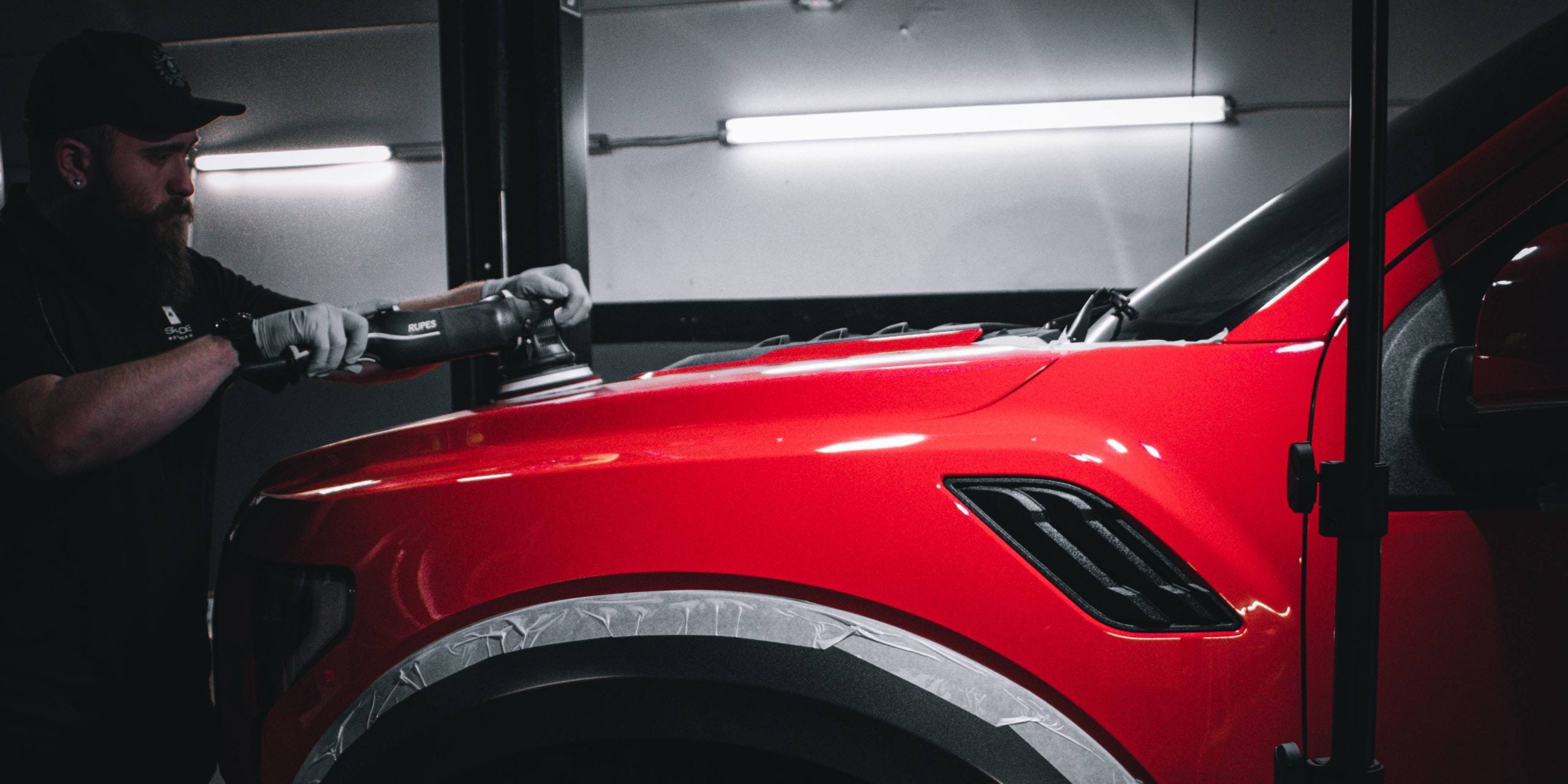
Auto detailing expert finishing detailing on red truck

What Does Detailing a Truck Mean?

Photo by Zac Nielson on Unsplash When you're truck needs a thorough clean, truck detailing is the way to go. Truck detailing includes a deep clean of your truck's interior, exterior, engine, and undercarriage. Regularly detailing your truck can keep it looking and running great for years to come. more The Benefits of Detailing Your Truck Your truck gets a lot of wear and tear. Whether you drive a pickup, a box truck, or a long-haul semi, regular detailing can help your truck stay at its best. Here are just a few of the benefits of truck detailing: Exterior Paint Preservation A regular wash at home may remove most of the dirt, but a good detailer will remove even the most stubborn road grime. Exterior detailing keeps your truck free from debris that can scratch and ruin your paint job. After a thorough washing, your detailer will cover your car with a high-performing wax to make your car shine like new. Wax also adds a layer of protection from harmful UV rays and road chemicals. A Comfortable Interior No matter how much time you spend in your truck, a clean, fresh cabin makes every drive better. An interior detail will remove dirt, dust, and odors. Your truck cabin will look and smell as good as the day you drove it off the lot. Better Resale Value A truck that is visually appealing and clean is much more enticing to buyers. Regular detailing helps preserve the value of your truck, enabling you to sell at a better price. Extended Upholstery Life A lot of dirt and odors can accumulate in your truck's upholstery. Professional detailers can make your seats look and smell like new by removing dirt, debris, stubborn stains, and odors. Many detailers also offer stain protection for fabric seats. If you have leather upholstery,  your detailer can apply leather protectant to prevent your leather from drying out and fading in sunlight. Headlight Restoration Over time, road debris, sunlight, and pollution can cause your headlights to become discolored and hazy. Old, oxidized headlights can reduce your visibility at night by up to 50%. Headlight restoration is a cost-effective alternative to replacement. Restoration also keeps you safe when driving at night by allowing you to see better and be more visible to others. Undercarriage Protection Salt and road grime can build up on the undercarriage of your truck. If left there, these chemicals can corrode your undercarriage, leading to costly repairs. Professional detailing will clean away corrosive salt and dirt, leaving your truck clean and protected from damage. Engine Protection When you think of getting your truck detailed, you may not think about the engine. Getting your engine degreased during a detail is an effective way to protect your engine from costly repairs. Engine degreasing makes it easier to find minor leaks, allowing you to make repairs before bigger, more expensive problems arise. Removing oil and grease from the engine can also extend the life of plastic parts, drive belts, and rubber hoses. Oil and grease will corrode these parts over time. Keeping your plastic and rubber parts clean can help you avoid costly repairs or a possible breakdown. After degreasing, many detailers add a protectant to hoses, belts, and plastic parts to prevent corrosion. If you maintain your work truck by yourself, getting under the hood can leave you greasy and dirty. Degreasing your engine can help you see engine parts better and keep you clean while you work. Gravel, leaves, twigs, and grit can build up in your engine over time and clog air intake valves. Cleaning built-up debris from your engine helps improve your truck's operation and extend the life of engine parts. Although it may be tempting to degrease your engine yourself, it may be a job best left to the professionals. A professional detailer knows how to degrease an engine without damaging sensitive electronics under the hood. Services Included in Truck Detailing The specific services including in your truck detail will vary depending on price and the type of truck you drive. As a general rule, semi-trucks and extremely dirty detailing jobs are more expensive because they require more time to complete. No matter what kind of truck you drive, professional detailing includes many of the following services. Interior Truck Detailing Vacuum upholstery, carpets, and mats. Shampoo and deep clean upholstery, carpets, and mats. Clean and condition leather seats and trim. Stain guard fabric seats. Clean windows, windshield, and interior mirrors. Blow out all gauges, vents, and knobs. Clean and dry door jambs. Deep clean all cup holders, storage bins, glove boxes, and door pockets. Deodorize cabin. Clean and add a layer of protectant to the console, dashboard, and steering wheel. Sanitize interior surfaces. Run an ozone machine in your truck cab to remove stubborn odors, bacteria, and mold spores. Exterior Truck Detailing Apply pre-cleaner to remove bugs and tree sap. Wash truck, including the bed, trailer, back frame, fuel tanks, exhaust pipes, and mudflaps. Use a clay bar to remove stubborn grime from truck paint. Buff paint with a buffing compound to remove minor scratches and paint oxidation. Apply wax with a polisher to protect your paint. Scrub tires and wheel wells. Apply tire dressing to prevent corrosion and cracking of tires. Polish chrome or aluminum parts. Clean undercarriage. Clean and degrease engine. Before you take your truck in for detailing, be sure to remove all of your personal belongings. Remove items from your glove box, center console, and storage boxes if you want those areas cleaned as well. Schedule Truck Detailing in Grand Forks, ND Your truck works as hard as you do. Schedule a professional detail to keep your truck looking great and running well. We have same-day appointments available for emergency detail work, or you can schedule a detailing appointment at your convenience. Customers in Grand Forks can also take advantage of our truck pickup and delivery. Got questions? Chat with one of our detailing experts and get the answers you need today.