





Rydell Cars

Blog / Grand Forks Detail Center

Blog

All Grand Forks Detail Center Rydell Community Involvement Local Tips Rydell Cars News Grand Forks car dealer Grand Forks Auto Body Repair Grand Forks Car Wash Fargo Group Dealer Auto Glass Repair Rydell Quick Tips Fargo Used Cars Grand Forks Oil Change
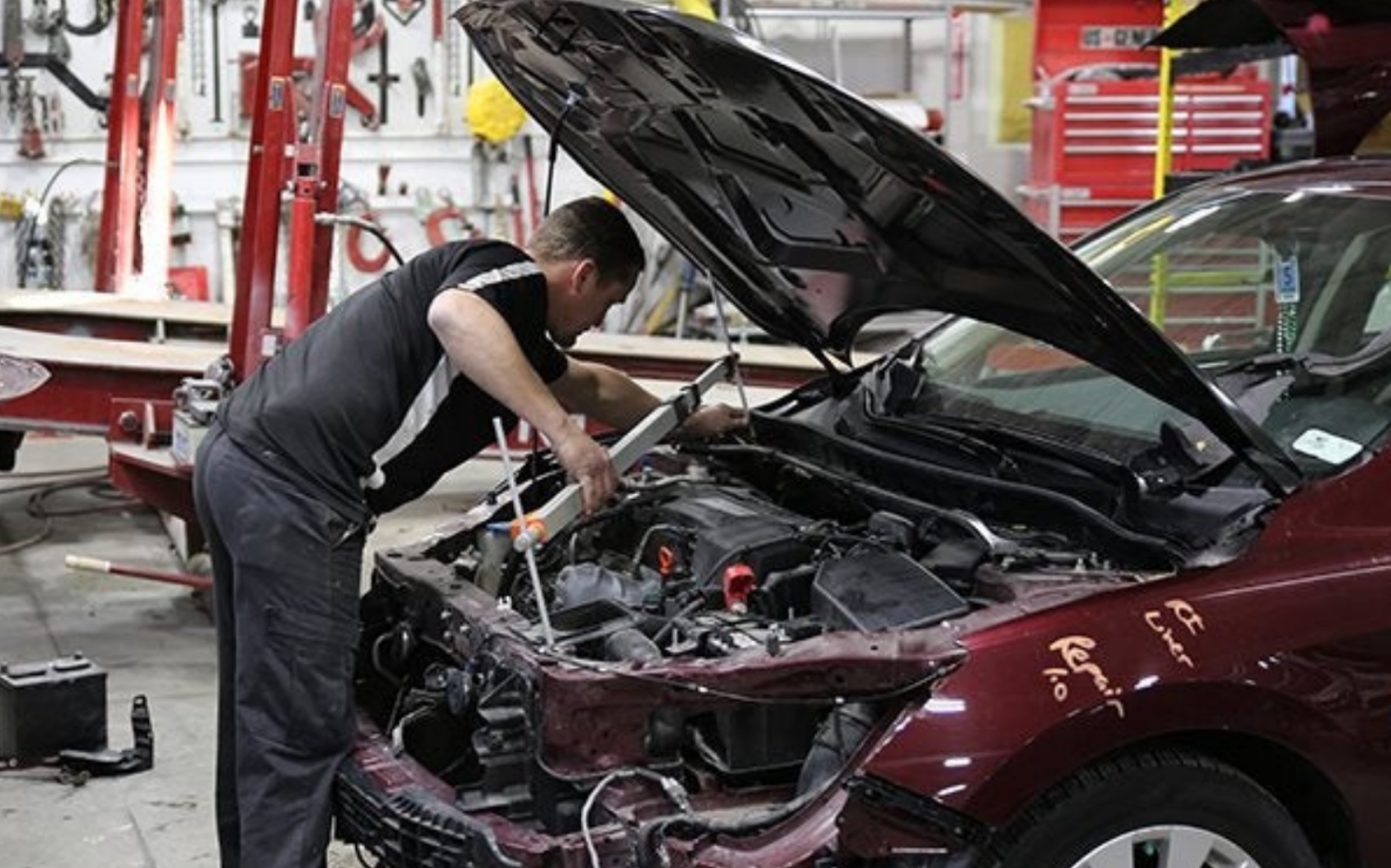
Certified Rydell car repair technician working on a vehicle involved in an accident.

How to save on car repairs

Vehicle repairs can be annoying. More annoying are the repair costs that accompany sudden car problems, which can be devastating to your budget. The good news is that you don't have to spend a fortune on vehicle repairs. Check the following expert-recommended tips for saving money. more Keep Up With Preventive Maintenance Prevention is always better than cure. This statement is also true when it comes to vehicle maintenance. You can take a few preventive measures to keep your car running smoothly and save money on repair costs. First, make sure that you check the fluid levels regularly. Low fluid levels can cause problems, which can result in expensive repairs. Replace the brake pads regularly. Worn-out brake pads can cause damage to the braking system and its components. Other maintenance practices include inflating the tires to the manufacturer's recommendations. Under-inflated tires may seem less of a problem, but they increase wear and tear on a vehicle's suspension and tires and negatively affect the gas mileage. Immediately repair glass chips, which are inexpensive to fix compared to replacing the entire windshield. Find a Trustworthy Service Technician The easiest way to overspend on car repairs is by using an untrustworthy repair shop, one that is unfamiliar with your vehicle model. When looking for a Grand Forks service technician, find individuals certified by Automotive Service Excellence (ASE). They should have certification in the area you need for repairs. For example, a technician certified to handle engine repairs may not be suitable for brake work. If you are looking for a trustworthy mechanic, visit Rydell Auto Group today to learn more about our auto repair services. Learn to Do Simple Vehicle Maintenance and Repairs You can save money on repair costs by learning to do simple vehicle maintenance tasks like changing oil and oil filters, wiper blades, and brake pads. If you have a driveway, garage, or other space at home, it is time to learn how to do some auto maintenance tasks yourself. Simple DIY tasks can save you a significant amount of money. The only cost you will incur is the parts, and you get to learn a few points about how your car operates. Armed with this knowledge, you can identify when something is wrong with the vehicle. Do Some Research When presented with a substantial car repair cost, it is wise to get a second opinion. To start, ensure that you understand every detail of the proposed repair work. You can only identify unnecessary items if you do some research. Check the internet for free diagnostic resources to verify that you're being charged correctly for repair work. It is also imperative that you check whether your vehicle model offers available warranty programs. For example, some manufacturers have increased their powertrain warranty from the basic three-year, 36,000-mile warranty to a six-year, 72,000-mile warranty. Some include a lifetime warranty. If you have a warranty for your vehicle, you will not pay for any repairs. Check the Owner's Manual Taking the time to familiarize yourself with your car's maintenance schedule can help you save money on repairs. You can save hundreds or even thousands over your vehicle's lifetime. Your vehicle's owner's manual may provide a recommended maintenance schedule you can consult at regular intervals. Never Procrastinate It is always advisable to act when you note something is not working right with your vehicle. Waiting makes the problem worse, and it can be more expensive to have the repair done. Always bring your car to your trusted mechanic when you spot a problem with your vehicle to avoid more expensive repair costs. Opt for Local Shops Instead of National Chains All vehicle owners have services shops that they frequent, either because individuals like the mechanic or the service shop are convenient for them. Most car owners tend to use national chains when going for small mechanical services and jobs. Nothing is wrong with this choice, but you are less likely to get the same level of service offered at a local shop. Local shops tend to provide better service, get the job done right the first time you visit and offer a competitive price. Local shops will continually provide you with quality service. They will also identify any problems with your vehicle immediately as they have the time to learn more about the model and how to troubleshoot any issues. Buy Used Parts You can save some cash by buying used parts. The best place to start looking for inexpensive items is a used parts specialist. Many parts rarely wear out, which makes used parts almost as good as new and much cheaper. Body trim and interior parts like rearview mirrors and radio knobs are examples of used parts that you can buy. Often, they cost less than half the price of new parts.  Other used parts that you can buy are transmissions and rebuilt engines. Typically, these parts come with warranties, so you can be sure of what you are buying. You can also buy discounted parts online. Most parts available online sell at a very competitive price. Avoid Duplicate Labor Charges At times, your mechanic may have to remove several parts to reach the element causing problems in your vehicle. This service work presents an opportunity to save money on future repairs by doing them now. For example, a repair on a squealing drive belt may suggest changing the lower and upper radiator hoses, thermostat, and water pump. These changes require the mechanic to remove some of these parts to access the drive belt.  If the mechanic was charging a flat price for each part replacement, you could bargain with the mechanic to reduce labor costs. When it comes to auto repairs, you can save significant amounts of money. The list provided here gives you a starting point if you want to save money on car repairs. If you are thinking about buying a new vehicle, you can contact us at Rydell Auto Group, and we can get a quote ready for you.
White Speedboat on a blue lake

How Often Should I Clean My Boat?

Deciding how often to clean your boat is tricky, especially with the variable water conditions in North Dakota. There are a lot of factors that influence when and to what degree you need to clean off your water vehicles. The simplest answer is that you should clean your boat before it becomes too fouled to easily wash with mild cleaners. You don't want to discover when this occurs the hard way, though. Careful observation will give you some important clues as to how often you need to clean off the hull, and professionals can give you fairly exacting recommendations for your cleaning schedule. Here are some handy questions to ask yourself that will help you determine the best schedule for washing your boat, so you can always enjoy a fresh and welcoming watercraft. Err on the side of more frequent cleanings to begin with, and only space these out if you find you're cleaning a consistently pristine vehicle. more Do You Store the Boat in the Water? If your boat is stored in a marina, it's constantly exposed to water and all the creatures dwelling within. Boats that are kept in the water should have their hulls cleaned every four to 12 weeks. You should never go more than three months without a hull cleaning, as this can lead to a serious accumulation of aquatic organisms. The exact location where your boat is stored will help you determine where your cleaning schedule should fall in that four- to 12-week range. Biotic growth is generally slower in fresh water and cold conditions. However, growth speeds up if there's a lot of tidal flow bringing a ready source of food by for the filter feeders clinging to your boat. This is true of areas with wastewater runoff as well, since this wastewater contains nutrients that will cause microorganisms to grow more quickly. Adjust your cleaning schedule accordingly based on these factors. You can clean your boat less frequently if you've recently applied protective paint to the hull. However, this paint will wear off over time, and the protectant tends to leech off into the water, making them less effective even before they're visibly worn. If you don't store your boat in the water, the best time to clean it is after each use. Wash it from top to bottom and front to back with a mild cleanser and water. Polish it dry with a chamois before returning your boat to dry storage so it will be in a good condition for your next excursion. Is the Boat Covered? If you keep your boat in a covered slip, you're safe from the elements and most bird droppings. There is a trade-off here, though. In a covered area, your boat is exposed to spider droppings and webs. If left untended, these can permanently stain your boat. Regularly waxing the boat's surface will provide some protection, but you should also take the time to give your boat a quick wipe-down as often as possible. Follow up with a thorough cleaning every eight weeks. If your boat is stored in an uncovered slip, you should wash it every three to four weeks to remove bird droppings and water stains. Keep the boat well waxed to prevent these stains from setting in between. Plan to wax your boat thoroughly every three to four months. Is Your Boat Exposed to Salt Water? Any time your boat is exposed to salt water, you want to wash off the spray when you return to the dock. Use a good boat soap that's designed to remove salt. Pay extra attention to the windows and make sure you wash, rinse, and dry them thoroughly. The same is true of your metal components, like railings. Salt water is sticky and corrosive, and it will eventually etch watermarks into your windows if you're not careful about cleaning your boat regularly. As part of your cleaning routine after boating in salt water, you should also clean and rinse the deck and flush the engine with fresh water. Clean your trailer, too, if you're putting the boat in dry storage. It's as susceptible to saltwater damage as your boat is. If you store your boat in a saltwater slip, tilt the outboard up so the running gear doesn't stay immersed in salt water. After cleaning the boat, towel dry it and place a cover on top to protect as much of the boat as possible from any kind of splashing or spray. How Often Do You Use the Boat? If your boat is stored in a slip, regular use will help keep it clean. Taking the boat out on the water, particularly at higher speeds, helps to clean the hull and slow fouling. If your boat sits in the slip for weeks or months at a time, it will foul very quickly. This is also true of boats that are only used for slow rides. Though it may seem backward, you'll need to schedule more frequent hull cleanings for a boat that's not used as often. When it comes to the interior of the boat, however, infrequent use can lead to fewer cleanings. Keep the boat well covered, and you can often get away with a seasonal cleaning. During your big cleaning routine, you'll then thoroughly scrub the deck, clean the carpets, and wash down all the boat's surfaces. If you use your boat often, you should vacuum the carpet, mop the deck, and clean other surfaces at least once a week, or after each use if you're using it less than this. Always clean up major messes immediately. Clean up spills from the upholstery as soon as they occur to keep your cushions in good condition. Use a mildew remover promptly on any spots that look like microbial growth. Vacuum cushions frequently, too, along with the surrounding cracks and crevices. If you need a helping hand cleaning your boat, our detail center can provide an expert touch. We'll thoroughly clean and detail your boat from top to bottom to make sure it's in the best shape possible. Save yourself the time and trouble and let our experts handle the job!

Woman riding a 4 wheeler through a large pool of mud

How Do You Get Mud Out of ATV Plastic?

All Terrain Vehicles (ATVs) are designed to be ridden in the wettest, muddiest, and dustiest conditions, and most ATV owners have no difficulty getting their quad bikes dirty. But after the fun ends is when the hard part of owning an ATV starts — cleaning your quad and getting it back to its former shiny glory. more If you want to keep your ATV's plastic parts looking like new, you need to adopt a cleaning and protection routine from day one. By following these few simple steps, the tedious job of cleaning your quad will be a lot easier. If your ATV is white, some additional steps may be needed to keep its original color and shine. Presoaking If your ATV is covered in caked-on mud and dirt, an important first cleaning step is to presoak it. This simply involves using a hose to spray your quad with an intense spray of water and leaving it to soak. Try to get the spray into all the smallest recesses. Use your hands to get rid of any big chunks of stuck-on grass and mud. Turn Up the Pressure The next step is to blast off all the loosened dirt. Using a pressure washer is the simplest and most thorough way to do this. If you don't have access to a pressure washer, you can use a hose with a nozzle turned to its most powerful setting. Clean off as much dirt and grime as you can, to make the rest of the cleaning easier for yourself. Sponge and Detergent Use a good automotive cleaner and a sponge to scrub all of your quad's surfaces, paying particular attention to the plastic parts and the seat. For any rough or difficult-to-clean parts of your ATV, use a stiff brush to remove tough dirt. The detergent will help to get rid of any oily stains. Drying There are different ways to dry your quad, depending on what you have to hand. If the plastic is still wet, the heat of the sun and a lint-free cloth work really well. If you have access to an air compressor, it not only dries your ATV's plastic surfaces but can also get into all the nooks and crannies that you can't reach with a cloth. This helps to prevent rust spots developing in hard-to-reach areas where water can sit in pools. Polish the Plastic Many ATV owners think polishing the plastic is a step too far for a vehicle that's going to get covered in mud next time out. But if you want to keep your quad looking great, or at least try to reduce the faded and scuffed-up appearance of plastic surfaces, you shouldn't skip polishing. Once your ATV is dry and free from water spots, use a specially designed plastic polish on all the plastic areas. You simply spray it on and buff it until the surfaces shine. However, don't use the polish on your seat, as you might find yourself sliding off the slippery surface on your next ride. Restoring Discolored White Plastic If your ATV is white, it might need some extra cleaning because even the smallest bit of dirt will stand out on white plastic surfaces, causing the white to become discolored. Take these additional steps to restore your quad to bright white. Fill a large bucket or bowl with one part water and one part bleach. Remove small white plastic parts from your quad and soak them in the bleach-water mix. For the larger parts, soak paper towels in the bleach solution and cover the discolored plastic with them. Be sure to wear gloves when using bleach. Alternatively, you can buy automotive spray-on bleach products. Either way, leave the solution on the plastic for a while. Wipe the surfaces with a soft cloth, then spray them with a pressure washer or hose and nozzle. Afterward, dry the parts and admire your shiny white ATV. Use a Sealant To make your ATV's plastics easier to clean, you could treat them with a good-quality plastic sealant spray before you go riding in the mud. The protective coating helps to repel water and mud. Instead of sticking to the plastic, muddy water will sit in beads on the surface. Your quad will still get dirty when you hit the muddy trails, but it makes it much lighter work of the cleaning afterward. Before you use the sealant, your ATV must be thoroughly cleaned and dried to ensure the sealer will stick properly to the surfaces. Also, make sure you read and carefully follow the product's instructions for use so that you get the lasting finish you want. After that, it's a simple job to apply the sealer to all plastic parts components you want to protect. Leave the sealer to sit for a couple of minutes, then buff the treated areas with a dry rag or a micro cloth to remove excess spray and bring your quad's plastic surfaces to a shine. The sealant is safe to use on all body surfaces, but you should avoid spraying the product on the engine or electrics. Also, you need to consider that some sealants, especially if they're silicone-based, can make your handlebar grips and seat slippery, so it's advisable not to coat those parts with the product. Cleaning the Seat As we mentioned above, you shouldn't use polish or sealant on your ATV's seat. Although these products will make your seat shiny, clean, and protected, they will also leave it slippery, making your next riding adventure potentially dangerous. For cleaning and protecting your seat, the best product to use is a degreaser. It will remove the mud and water stains to leave it looking like it just left the showroom. Most degreasing products will do the job. You just need to ensure it's compatible with vinyl and won't damage the seat. Following these easy steps will help keep your ATV looking its best. If you have any other tips for cleaning and protecting your quad, please let the team at Rydell Auto Group know, and we'll pass them on.

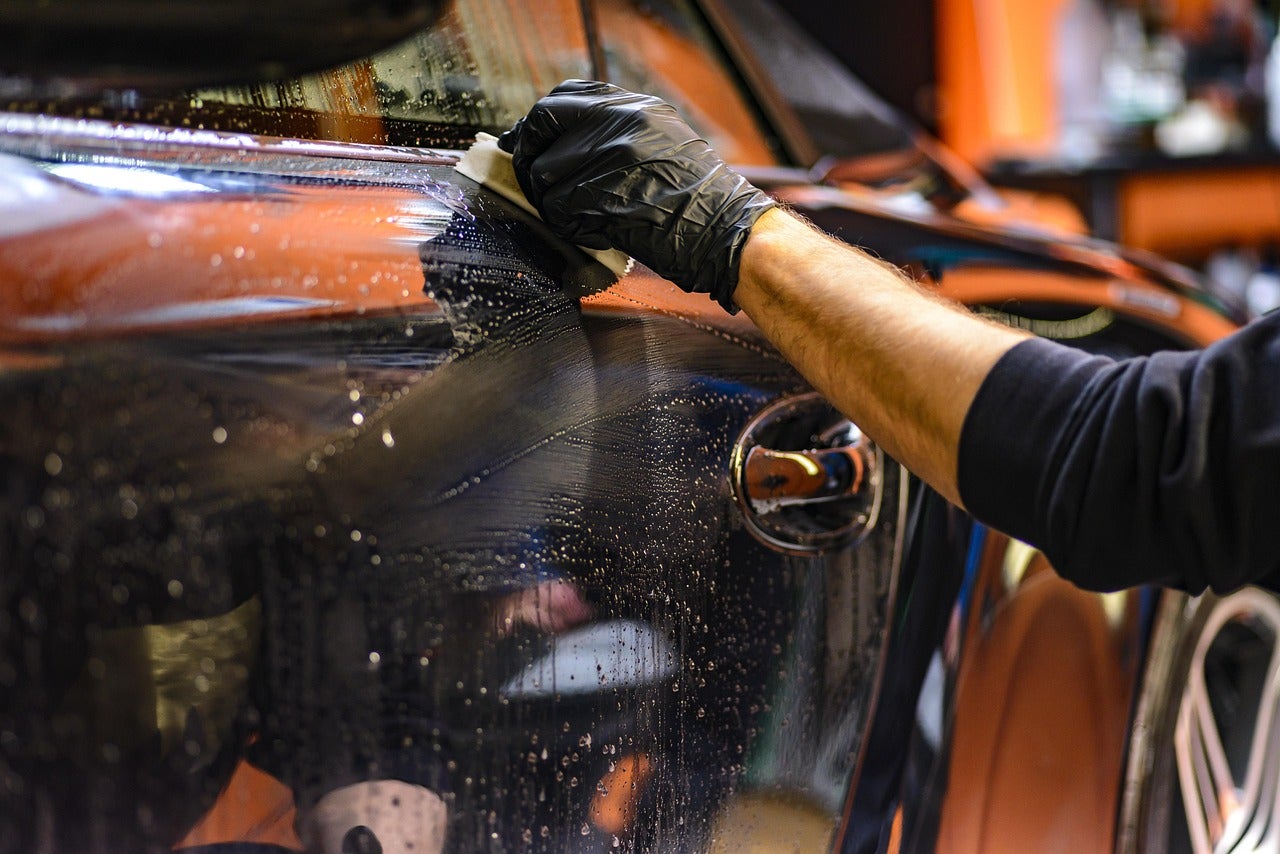
Professional details exterior of car - Grand Forks Car Detailing Center

What is the difference between a car wash and car detailing?

Taking care of your car involves major repairs, getting a regular oil change, and getting small tune-ups. You can also take care of your vehicle by cleaning it using the best methods, cleaners, and waxes to prevent damage to your paint, glass, and body. Explore these differences between a car wash and an auto detailing so you know which one to get and when. more What's Included Image via Pixabay by DariuszSankowski Depending on where you go and how much you spend, you can expect a rinse, some soap, some wax, and a blow-dry when you get your car washed. At an automated car wash, your car might get the water-only treatment or get some scrubbing from the car-wash brushes. Car washes with actual human operators may use some elbow grease to scrub your tires, your car's backend, and other hard-to-reach spots. And while a car wash is just for the outside, you can also use the on-site vacuum to clean up the interior of your car. However, that might cost extra. When you get your car detailed, you get a good wash and much more. An auto detailing typically includes a thorough cleaning of the exterior, including  the hardest-to-reach spots, plus a detailed cleaning of the car's interior. But that's not all! Your car also gets a good scrub to remove tough substances like bugs, tar, and sap as well as paint touch-ups, small dent repairs, and a wash under the hood. The Steps The most common steps in any car wash, no matter where you go, are as follows: Wet the whole car. Scrub hard-to-reach areas with a brush. Apply soap. Use brushes and/or powerful water sprayers to remove debris and dirt. Rinse. Apply wax or sealant. Rinse again. Air dry, blow dry, or towel dry. While this might leave your car looking really clean for a few days, a car detailing has many more steps to make sure your vehicle is actually clean and to prevent dirt from sticking for a while longer. Here are the most common steps in a car detailing service: Wash the whole exterior of the vehicle: Professionals use foaming soap that softens dirt and special brushes and washing mitts to remove grime. They then rinse the vehicle with clean water and dry it with soft microfiber towels to prevent scratches or water streaks. Scrub the wheels: Since the wheels are often the dirtiest parts of your vehicle, detailing pros will scrub the tires, wheels, brake calipers, and lug nuts to remove all grime. Touch up the paint: The first step here is to use a clay bar surface to completely remove dirt from the clear coat. Then, detailers can polish the paint to remove swirls, scratches, or signs of oxidation, either by hand or using a polishing machine. Wax and seal the car: In this step, detailers add a protective layer to prevent harm to the car's paint from dirt build-up or scratches. Polish the windows, rubber, and plastic parts: Detailers finish the exterior cleaning by polishing the outdoor glass and other areas that need additional cleaning. Vacuum and shampoo the carpets, mats, and upholstery: Using commercial-grade machines, detailers vacuum, steam clean, and shampoo all of the cloth upholstery, including your interior roof. If you've got leather upholstery that needs cleaning, the pros will use the right stuff to do so. Wipe the dash, steering wheel, console, and doors: Detailers remove dust, dirt, pet hair, and crumbs from every surface, including your vents and cupholders. Clean the interior side of the windows and the mirrors: Detailers make sure you can see from every angle. Freshen up the engine bay: This step is typically optional, but a detailer may recommend removing grime, dust, debris, and anything else that might get in a mechanic's way when checking under the hood. How Long It Takes A car wash can take anywhere from a few minutes in an automated car wash to an hour or two if you're doing it yourself. However, car detailing typically takes between two and three hours, depending on how large your vehicle is and how much cleaning they need to do. The Price Going to an automated car wash in Grand Forks, North Dakota, can cost a few dollars for each visit. Some places allow you to pay a flat monthly charge for unlimited washes. At Rydell, we offer a wash in our cutting-edge facilities for as low as $8. Car detailing can cost anywhere from $40 to over $200 with additional cleaning and detailing services. The cost can also depend on how large your vehicle is. Whether You Can Do It Yourself Washing your car yourself can be a fun activity to do with the kids or a meditative solo experience. Though buying the best car-friendly soaps, washing mitts, wax, and towels can cost a pretty penny upfront, you might be able to save money by washing your car yourself rather than taking it to the car wash regularly. But if you want your car detailed, it's best to leave that up to the professionals because of their expertise, special equipment, and attention to detail. Benefits for Your Car While the benefit of a simple, automated car wash is that your car's body looks clean, auto detailing offers many more benefits: Little-to-no risk of scratches or damage to the body. Keeping your car in better shape, potentially improving its longevity and resale value. Better protecting your vehicle from oxidation. Greater likelihood of a spotless clean. When You Should Get Each Done Choose to get your car washed when: You just want a quick clean. You're in the middle of a season when the weather can change at the drop of a hat. Your car is covered in pollen, salt, or sludge from the snow. It's recommended that you get your car fully detailed every four to six months, but the frequency may change depending on where you live, the kind of weather you get, how much you drive it, and how often you wash it. Opt for a full auto detailing when: You've never had it detailed. You've gone more than six months since you last had it detailed. You're between seasons and need to remove the previous season's buildup. You want to sell your car. Rydell Auto Group knows how important your vehicle is to you, which is why we offer our own automated car wash locations and great wash packages to freshen up your vehicle, no matter how big or small. Do you have questions about our car wash, our vehicle selection, or our service options? Contact us today — we're happy to help!

ATV off-roading heading downhill with Jeep flag in foreground /><figcaption>Image via <a href=

How To Clean an ATV or UTV

A considerable percentage of the fun one has with an ATV or UTV is to get up close and personal with mud, whether you're riding or sliding through it or getting stuck. Although it can be tempting to only wash the mud off yourself after an off-road adventure, you should make time to clean your vehicle as well. Apart from the fact that a muddy vehicle isn't nice to look at, leaving your ATV or UTV muddy can cause all kinds of issues that can range from ugly stains to rust to engine contamination. Here's a short guide you can follow to ensure that your off-road vehicle remains in mint condition. If you have any questions or want a professional clean for your ATV or UTV, get in touch with our specialty detail center. more Schedule Detailing Chat With an Expert Tools for Washing Your ATV or UTV Image via Flickr by blmcalifornia Although washing your ATV or UTV may require some time and effort, it's fortunately not an expensive exercise. You can get your vehicle sparkling clean with just a few basic tools. Here's a list of essential items you'll need: Cleaning Products Many different ATV/UTV cleaning products on the market are specifically designed for these types of vehicles. You want to look for a mild cleaning product that's tough enough to clean the mud and dirt from your vehicle while also not being so corrosive that it damages the paintwork or mechanics. Also, search for a cleaning product that contains surface-release additives, as this will repel mud and dirt on your next off-road trip and keep your vehicle cleaner for longer. Conversely, you can apply a protectant after the wash, which also repels dirt and adds a protective barrier. For tougher-to-clean areas, such as the chain and sprockets, you can use a degreaser. You can also invest in special cleaning products for other components, such as a fabric cleaner for the seat belts or a tire cleaner to get rid of the stubborn grime on your tires. Also, use the correct cleaning product if you have a polycarbonate windshield, since a normal window cleaner will damage it. Scrub Brush There are tight corners and difficult-to-reach spots in an ATV or UTV that you may not be able to access by hand. Make your life easier by investing in a long-handled scrub brush you can use to clean such places. Ensure that you opt for a brush with soft bristles so that you don't damage the paintwork or sensitive components. Microfiber Towels or Washing Mitt Opt for a microfiber towel or a washing mitt to wash your ATV or UTV, as it will get rid of the dirt without damaging the paintwork. You can also use a microfiber towel for drying off your vehicle since this type of towel is good at absorbing water and will get rid of any residual dirt. Drying your vehicle with a microfiber towel will also prevent water streaks. In addition, these towels are safe to use on plastics and won't cause any scratch marks. Pressure Washer A pressure washer is a great tool for dislodging the mud and dirt clods from your vehicle as a first step before you give it a wash. The force of the pressure washer will also get water into difficult-to-reach spots, where it will moisten and soften caked-on dirt. You want to be careful with the settings you choose, as a too-powerful water blast can damage your radiator fins, plastics, and any decals or graphics. Plastic Scraper A plastic scraper will come in handy when you're trying to get rid of stubborn dirt without damaging the paintwork on your ATV or UTV. How To Clean Your ATV/UTV Here are a few steps you can take to ensure that you clean your off-road vehicle properly: 1. Hose Down the Vehicle The first step you can take is to try to soften the caked-on mud on your vehicle by hosing it down with a normal garden hose. At this point, you can use a plastic scraper to get rid of some mud as this will lessen the time you need to use the pressure washer on your vehicle. 2. Apply a Pressure Washer Once you've allowed your off-road vehicle to soak for a bit so the mud can get softer, it's time to apply a pressure washer so you can blast off the remaining mud and dirt. Try to avoid sensitive areas, such as the intake and exhaust, electronics, and any decals on your vehicle. It may be a good idea to use a heavier setting for tougher areas such as the tires, wheel wells, and the underside of the fenders and chassis. You can then use a lower setting with less pressure to wash down areas where there are wires and connections, engine parts, and plastics. 3. Wash the Vehicle Now that you've managed to get rid of the big cakes of mud and the worst dirt and grime, you can wash the vehicle with your cleaning solution of choice. An effective and easy way to apply the detergent is by using a foam cannon, which you can attach to your garden hose or pressure washer. After you've sprayed the cleaning foam onto your vehicle, wait for a few minutes before washing to allow for the cleaning agent to soak into leftover mud and grimy areas. 4. Rinse and Dry After you've washed the vehicle, you can rinse it off with a hose or a pressure washer. You'll then want to dry your vehicle to combat rust and prevent unsightly water spots and streaks. If you have a leaf blower, you can blow your vehicle to get rid of most of the wetness. Next, use a microfiber towel to give the vehicle a quick wipe, which will remove any last bits of dirt and mud and make your ATV or UTV look as good as new. Get Your ATV or UTV Cleaned in Grand Forks There you have it! Taking care of your ATV or UTV doesn't have to involve hours of hard labor. By following these few easy steps that Rydell Auto Group has provided, you'll enjoy many years of happy off-roading with your ATV or UTV. Contact us if you have any questions or need help getting your ATV or UTV cleaned in Grand Forks!

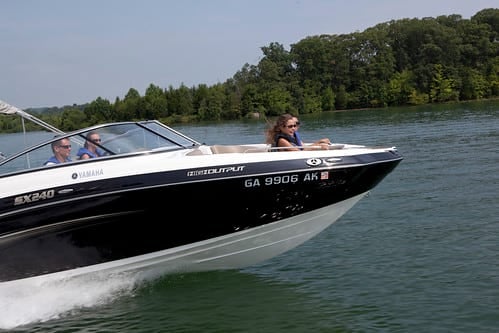
Dad drives speed boat with wife next to him and to kids at front of the boat smiling

How To Clean Your Boat

Boat owners like to joke that their boat is a hole in the water they pour money into, but you won't find many boat owners willing to give away their prized watercraft. Instead, they take meticulous care of their investment because they love the days spent cruising the lakes, angling for fish, or towing friends and family behind on skis and tubes. Still, most boat owners didn't buy their boats with the knowledge of how to clean them properly. They learned how by talking to other boat owners and reading how-to articles on cleaning boats, like this one, or they turn to trusted professionals to clean and detail their boats. Read on for tips on how to get your prized possession cleaned up and protected, and get in touch if you require boat detailing in Grand Forks. more Schedule Detailing Chat With an Expert Boat Carpet Cleaning Image via Flickr by Yamaha WaterCraft The carpet of your boat might take the most abuse of any area on your boat. Passengers climb in and out from beaches, river beds, and docks, tracking dirt and debris with them. You probably have some form of Astroturf installed as your "carpet" rather than the pile carpet material you might find in a living room. Water can ruin a regular carpet, but the synthetic plastic of Astroturf resists water damage and mildew. You do need to clean your carpet periodically, though. If you have a pressure washer, you should hose down your boat carpet after every trip. After a particularly filthy trip, say a weekend fishing tournament, you may want to get a deep clean. You've probably dripped fish slime and bait everywhere. Power washing the carpet with a professional cleaner will help keep your carpet looking like new. Cleaning the Livewell Your livewell keeps the fish alive and well while you continue fishing, but leaving it uncleaned can result in a smelly breeding ground for bacteria. You don't want to use strong chemicals like bleach, as they can harm the fish — and you, if you decide to eat what you keep. Baking soda and water can clean and remove those fishy odors without the harmful side effects. You want to clean your livewell filters too. Bilge Cleaning The bilge area in your boat can harbor some of the worst dirt, grime, sludge, and oil residue. This build-up presents a challenge for most boat owners, but don't fret. You can find non-toxic cleaners that break down grease and grime without having to put in the dreaded elbow grease. You should rinse out your boat's bilge area after every use and use a commercial cleaner as often as necessary. Console and Glass Cleaning Your boat's console and windshield constantly get wet from spray and rain. When the water dries, you may get unsightly water spots. A simple window cleaner will clean these areas, leaving them looking like new with minimal effort. Cleaning the Seats When you power-wash the carpet, you should power-wash the seats too. The next step takes time and effort. Let the seats dry, and then apply a vinyl shampoo and conditioner. This application will help protect your vinyl seats from cracking and fading due to sun exposure. Cleaning the Hull The hull of your boat takes a beating as it crashes through waves, runs up on beaches, and bounces off of docks. Washing your boat hull after every trip will help. Regular deep cleans with professional cleaners designed for your boat hull's material will keep your boat shiny and new, counteracting the damage that exposure to sun and water can inflict. Some boats can benefit from gel coats, too. These gel coats provide a protective barrier against the elements, like wax does for your car. The application process depends on the product you purchase. Be sure to find one that suits your ability and fits into your schedule. You don't want to be up late at night applying a coat of wax because you bought a product that takes too long to apply. Engine Cleaning Your engine powers your boat. In addition to keeping it in tip-top running condition, you want to clean it up so it looks nice and new too. Dish soap and warm water will clean most gas or oil spills, and a scrub brush will help with any mold or mildew stains. Trailer Cleaning Every boat owner should take proper care of the trailer that carries their boat to and from the lake. Washing your trailer should be a priority. Take care of the tires, too, as exposure to the sun can result in cracking and a possible blow-out. You probably have a winch to help you pull the boat onto the trailer. If so, be sure to keep the rope or chain clean. Oiling the gears and chain can help preserve the metal and prevent rust. Have a Professional Detail Your Boat We often take our cars, trucks, and SUVs to a professional detailer to keep them looking pristine and new. Did you know you can have your boat detailed too? At the Rydell Car Wash and Detail Center, our specialty detail center has experience detailing all types of watercraft. Whether you have a jet ski, bass boat, or speed boat, our expert detailers have the knowledge, equipment, and cleaning solutions to restore and rejuvenate your boat. We have Express options for under $100 and deluxe packages that cost less than $200. A quick conversation with our detail center will determine which option will give you the best results. In most cases, we can detail your boat and trailer while you wait. We have a deluxe detail lounge where you can relax, munch on complimentary snacks and drinks, watch television, or grab one of our iPad tablets and surf the net. No matter what size boat you have, our technicians can handle the job. If you don't want to wait, you can drop your boat off, and we'll contact you when we've completed the task. Schedule Boat Detailing in Grand Forks We'll take the time to clean the inside of your boat, hitting all the hot spots. We also get into those hard-to-reach places where dirt and grime collect. We have various detail packages, from simple wash and cleaning options to deep cleaning and waxing deals. You can contact one of our detail technicians to discuss the different options and find a package that fits your needs and budget, or you can schedule your detail appointment online.

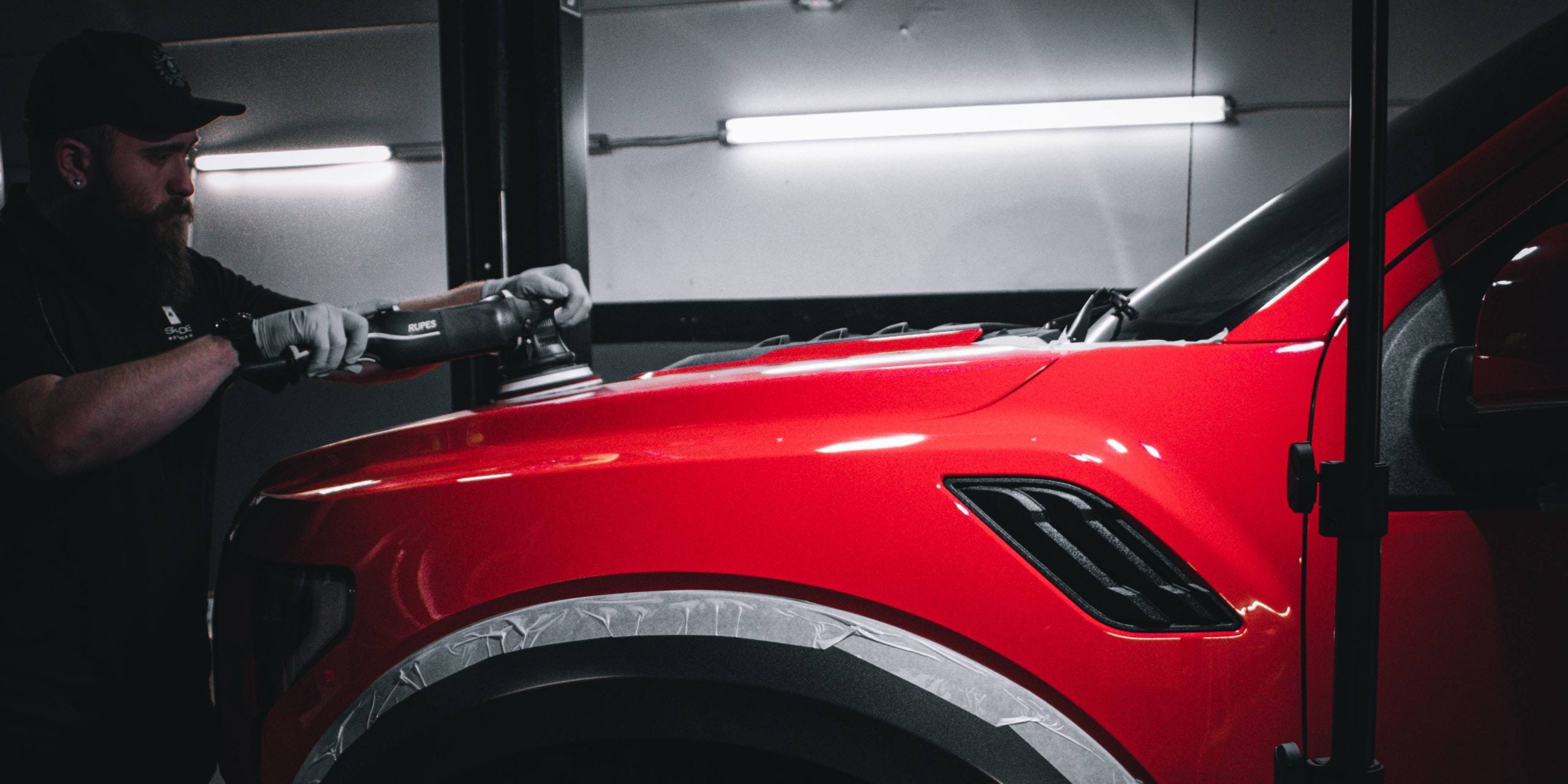
Auto detailing expert finishing detailing on red truck

What Does Detailing a Truck Mean?

Photo by Zac Nielson on Unsplash When you're truck needs a thorough clean, truck detailing is the way to go. Truck detailing includes a deep clean of your truck's interior, exterior, engine, and undercarriage. Regularly detailing your truck can keep it looking and running great for years to come. more The Benefits of Detailing Your Truck Your truck gets a lot of wear and tear. Whether you drive a pickup, a box truck, or a long-haul semi, regular detailing can help your truck stay at its best. Here are just a few of the benefits of truck detailing: Exterior Paint Preservation A regular wash at home may remove most of the dirt, but a good detailer will remove even the most stubborn road grime. Exterior detailing keeps your truck free from debris that can scratch and ruin your paint job. After a thorough washing, your detailer will cover your car with a high-performing wax to make your car shine like new. Wax also adds a layer of protection from harmful UV rays and road chemicals. A Comfortable Interior No matter how much time you spend in your truck, a clean, fresh cabin makes every drive better. An interior detail will remove dirt, dust, and odors. Your truck cabin will look and smell as good as the day you drove it off the lot. Better Resale Value A truck that is visually appealing and clean is much more enticing to buyers. Regular detailing helps preserve the value of your truck, enabling you to sell at a better price. Extended Upholstery Life A lot of dirt and odors can accumulate in your truck's upholstery. Professional detailers can make your seats look and smell like new by removing dirt, debris, stubborn stains, and odors. Many detailers also offer stain protection for fabric seats. If you have leather upholstery,  your detailer can apply leather protectant to prevent your leather from drying out and fading in sunlight. Headlight Restoration Over time, road debris, sunlight, and pollution can cause your headlights to become discolored and hazy. Old, oxidized headlights can reduce your visibility at night by up to 50%. Headlight restoration is a cost-effective alternative to replacement. Restoration also keeps you safe when driving at night by allowing you to see better and be more visible to others. Undercarriage Protection Salt and road grime can build up on the undercarriage of your truck. If left there, these chemicals can corrode your undercarriage, leading to costly repairs. Professional detailing will clean away corrosive salt and dirt, leaving your truck clean and protected from damage. Engine Protection When you think of getting your truck detailed, you may not think about the engine. Getting your engine degreased during a detail is an effective way to protect your engine from costly repairs. Engine degreasing makes it easier to find minor leaks, allowing you to make repairs before bigger, more expensive problems arise. Removing oil and grease from the engine can also extend the life of plastic parts, drive belts, and rubber hoses. Oil and grease will corrode these parts over time. Keeping your plastic and rubber parts clean can help you avoid costly repairs or a possible breakdown. After degreasing, many detailers add a protectant to hoses, belts, and plastic parts to prevent corrosion. If you maintain your work truck by yourself, getting under the hood can leave you greasy and dirty. Degreasing your engine can help you see engine parts better and keep you clean while you work. Gravel, leaves, twigs, and grit can build up in your engine over time and clog air intake valves. Cleaning built-up debris from your engine helps improve your truck's operation and extend the life of engine parts. Although it may be tempting to degrease your engine yourself, it may be a job best left to the professionals. A professional detailer knows how to degrease an engine without damaging sensitive electronics under the hood. Services Included in Truck Detailing The specific services including in your truck detail will vary depending on price and the type of truck you drive. As a general rule, semi-trucks and extremely dirty detailing jobs are more expensive because they require more time to complete. No matter what kind of truck you drive, professional detailing includes many of the following services. Interior Truck Detailing Vacuum upholstery, carpets, and mats. Shampoo and deep clean upholstery, carpets, and mats. Clean and condition leather seats and trim. Stain guard fabric seats. Clean windows, windshield, and interior mirrors. Blow out all gauges, vents, and knobs. Clean and dry door jambs. Deep clean all cup holders, storage bins, glove boxes, and door pockets. Deodorize cabin. Clean and add a layer of protectant to the console, dashboard, and steering wheel. Sanitize interior surfaces. Run an ozone machine in your truck cab to remove stubborn odors, bacteria, and mold spores. Exterior Truck Detailing Apply pre-cleaner to remove bugs and tree sap. Wash truck, including the bed, trailer, back frame, fuel tanks, exhaust pipes, and mudflaps. Use a clay bar to remove stubborn grime from truck paint. Buff paint with a buffing compound to remove minor scratches and paint oxidation. Apply wax with a polisher to protect your paint. Scrub tires and wheel wells. Apply tire dressing to prevent corrosion and cracking of tires. Polish chrome or aluminum parts. Clean undercarriage. Clean and degrease engine. Before you take your truck in for detailing, be sure to remove all of your personal belongings. Remove items from your glove box, center console, and storage boxes if you want those areas cleaned as well. Schedule Truck Detailing in Grand Forks, ND Your truck works as hard as you do. Schedule a professional detail to keep your truck looking great and running well. We have same-day appointments available for emergency detail work, or you can schedule a detailing appointment at your convenience. Customers in Grand Forks can also take advantage of our truck pickup and delivery. Got questions? Chat with one of our detailing experts and get the answers you need today.

Bow of boat tied to dock with floatation device on deck

What Goes Into Boat Detailing?

As residents of North Dakota know, keeping your boat looking great isn't always easy. We take them out fishing or out on a lake a few times, and before we know it, it's covered in mud and grime. Now your once new boat looks like it has been around for years. You spent a lot of money on your boat and you want it to look its best whenever you take it out. For this to happen, you need to regularly clean and detail your boat. But what exactly does this include? Below are the steps typically involved with boat detailing and cleaning, along with a simple way for North Dakota residents to take care of it. more Basic Exterior Cleaning Image via Pexels by Baptiste Valthier All boat detailing begins with a basic exterior cleaning. You first rinse your boat, removing any loose dirt or other debris. A good tip when rinsing your boat is to start at the top so that you don't have to rinse the same area multiple times. After rinsing off the boat, you can then begin to scrub down the outside using a bucket of water, some soap made specifically for boats, and a soft brush. Clean in small areas at a time and rinse off everything again when you're done. Then grab some towels to dry off the entire boat. You'll need some very absorbent towels, so have plenty standing by. It's also a good idea to do this in a sunny spot so the heat can help with the drying process. Finally, as you're drying, buff the exterior of the boat to prepare it for coats of sealant and wax later. Cleaning the Floors After cleaning the outside of the boat, you can then move to the interior. For the floors, the method of cleaning depends on the material. For example, if you have non-skid flooring, you'll want to use a strong brush to give it a thorough cleaning. It may take some time to remove all the grime from your floors, as these areas are often the dirtiest. A good tip is to put the boat on land, tip it with the stern on the lower end and open up the drain plug. You can then use a hose to clean the floor faster and allow the water to flow out. For carpeted areas, you'll need to use a vacuum. You may even need to soak the carpet with a carpet cleaner, then rinse it out and wait for it to dry. To speed up the drying process, use the vacuum to suction up some of the water. Polishing Any Chrome For boats with chrome parts, you'll need a special polish. Use chrome polish on areas such as ladders, railings, seats, etc. Start with a small amount and apply it using a soft towel. The directions on the chrome polish should provide more explicit instructions on how to achieve the best results. Cleaning Off the Dashboard Your dashboard has a lot of electronic equipment, so be careful as you clean it. Grab cleaning solution specifically designed to clean dash instrumentation safely. Follow the directions closely so that you do not accidentally damage anything. Our dashes get very dirty, as we always have our hands all over them. It's not a bad idea to keep a bottle of dash cleaner nearby and use it after a particularly messy boating expedition, such as fishing. Adding Sealants and Wax To protect your boat against UV rays, and keep it looking like new, you should consider applying some boat sealants and wax. However, there is a difference between the two. Boat owners use sealants to fill in the pores of the boat's gel coat. These sealants protect the boat for an entire season, meaning you'll need to re-apply about once a year. Boat wax, on the other hand, should go on every three to four months. Applying wax regularly makes it easier to clean and really improves the shine of your boat. Before applying boat wax, you need to clean and buff your boat, meaning you need to do this step last. When buying boat wax and sealant, be sure you get the right kind. You need a sealant that is specifically for boats and the type of finish of your boat. Getting the wrong kind can damage your boat or prove less effective. Cleaning the Boat Cover Finally, if you use a cover for your boat, don't forget to clean this. Placing a dirty cover on top of a clean boat undoes all your hard work. At the very least, use your hose to spray off the interior of the boat cover before placing it back on the boat. Boat Cleaning and Detailing Made Easy in Grand Forks, ND Giving your boat the thorough cleaning it deserves takes time. This is especially true at this time of year, as snow begins to melt, more dirt finds its way into our boats. Rather than spending a significant amount of time detailing your boat, time you could spend fishing or relaxing on the lake, there's a simpler solution. The team at Rydell Auto Group handles more than just car detailing. Our boat detailing service team is here to help your boat look new again in a short amount of time. Whether you're taking your boat out of storage for the first time this year, planning to put it away soon, or just want a midseason touch-up, we have all the tools and chemicals needed for a thorough cleaning. Schedule Specialty Boat Detailing in Grand Forks, ND Are you in need of boat detailing? Schedule an appointment for boat detailing at the Rydell Detail Center. Or, if you have any questions about the best way to care for your boat, please feel free to contact us at any time. We are always available to answer questions or provide a quote for our boat detailing services.

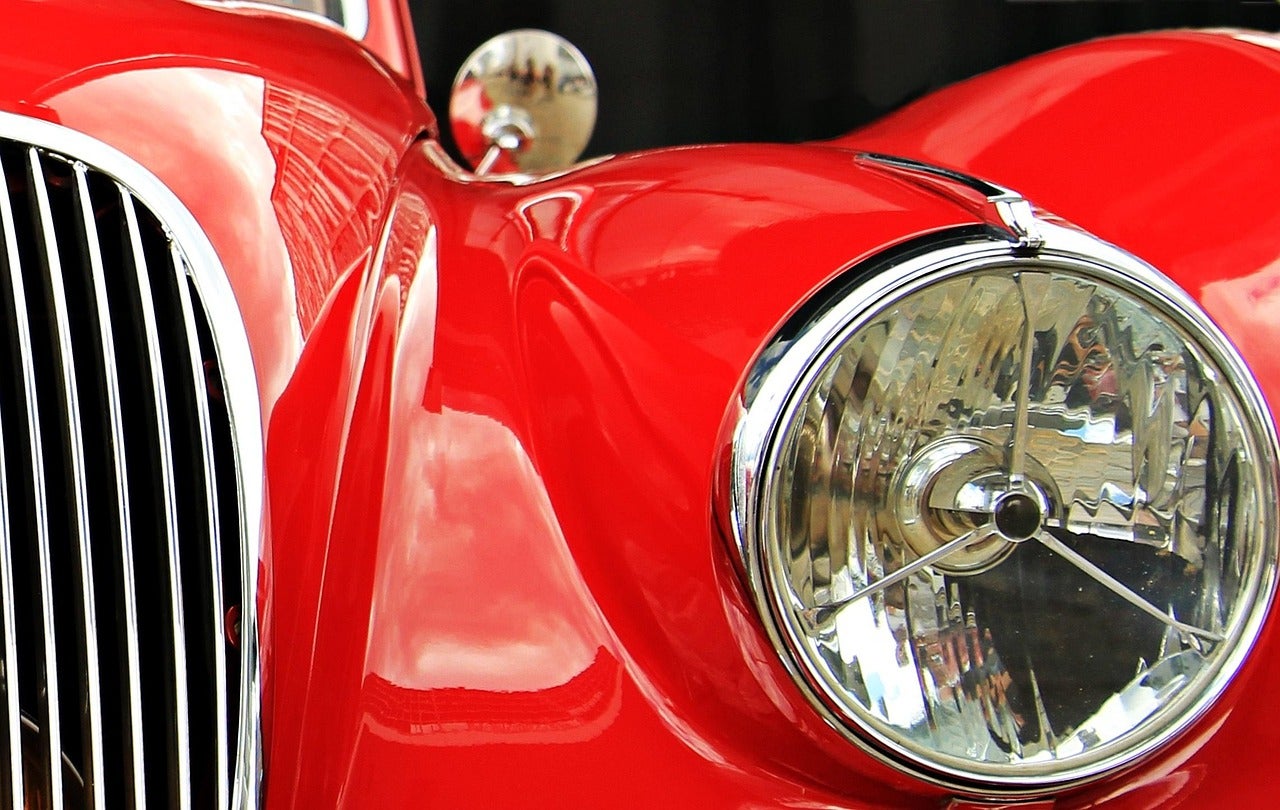
Close on headlight of classic red car

What Is Included in a Full Car Detail?

Keeping your car in tip-top condition involves more than maintaining what's under the hood. It's important to have your vehicle regularly serviced by a competent mechanic, but if you want to maximize the value of your vehicle and keep it looking pristine, you need to keep up on its detailing. This article explains what goes into a full car detailing service and gives you some tips about how to choose a car detailing center that gives you value for your money. more Schedule Detailing Chat With an Expert What Goes Into a Car Detailing Service? Image via Pixabay by pixel2013 You can think of a car detailing service as a thorough and professional version of cleaning both the inside and outside of your vehicle. The goal is to keep your car looking as close to new as possible. Many dealerships offer car detailing services, which cover the following aspects of keeping your car in like-new condition: Paint Job People are very visual when they assess the quality of a vehicle. So, whether you're thinking about selling your vehicle in the future or you just like to take care of your car, maintaining the paint job is critical. The first thing people see when they look at your vehicle is the paint job. If it looks worn, damaged, or scratched, people might assume that your vehicle isn't in the best condition, inside or under the hood. The paint job on your car is delicate, and a professional car detailing service will do what is necessary to clean, correct, and protect the exterior of your vehicle. When it comes to cleaning your paint job, expect a thorough hand washing that covers all nooks and crannies. The cleaning phase should result in little to no dirt or grime on the surface of your car. The correction phase involves removing stains or contaminants from the exterior of your vehicle that washing was unable to remove. This phase typically involves using a clay bar, which is an engineered resin mixture that combats tough-to-remove stains. Finally, steps will be taken to protect and maintain the shine that gives your car a brand-new look. This begins with polishing the car and then applying a wax sealant to maintain its shine. Chassis and Wheels A full car detailing won't just focus on cleaning the parts of your vehicle that the eyes can see. Keeping your vehicle's undercarriage clean is also important. This stage of detailing includes cleaning directly under the car, inside the wheel wells, the splash guards, and the wheels. The wheels should have a protectant applied to them which keeps them from corroding and cracking due to wear and tear. Exterior Lights The exterior lights, including headlamps, taillamps, and fog lights, need to be properly cleaned. Cleaning the exterior lights involves a two-step process that uses different cleaning materials than those used for the paint job. A special polish that can reduce signs of oxidation will be applied. Oxidation occurs when UV light damages the covering on the lights, which discolors them. Additionally, a plastic sealant will be used to provide added protection to the exterior lighting. Interior If you've ever attempted to clean the inside of your car, then you know how much of a challenge it can be. A full car detail involves interior detailing using professional equipment to clean both carpeting and seating surfaces. Using an industrial-grade steam cleaner gets rid of even the toughest stains, while proper vacuuming helps remove dirt and dust that gathers in the various cracks and crevices of your vehicle. Plastic and vinyl materials on the dashboard should be properly cleaned to remove fingerprints and smudges. The detailing service uses microfiber towels during this phase to ensure a lint-free and dust-free finish. How to Choose a Car Detailing Service When choosing a car detailing service, consider the following three factors: Detailing Services Provided Not every car detailing includes the same standard offerings. Some car detailing services only surface clean and vacuum the inside and wash the outside. If you want a full car detailing service that includes all of the aspects mentioned above, you should shop for those features and ask the detailing service exactly what they provide in their detailing service. Company Reputation Finding out the reputation of the detailing service you're considering is easier than ever thanks to the Internet. You can simply look up the detailing service online, and read reviews from actual customers who have experience with the company. The anonymity of the Internet means that people tend to pull no punches — it won't be difficult to gauge if the service didn't meet expectations. If the company has no presence on Google, you can look them up on various social media platforms where customers also leave reviews. Discounts and Loyalty Bonuses Offered The last consideration is to gauge whether the car detailing service makes any effort to go the extra mile with its service. Special offers are a popular way to attract new customers, so look for a car detailing service that offers a discount on your first detailing or a reduced price on certain days of the week. Loyalty bonuses are also worth looking for. Many car detailing services reward repeat customers by giving them special discounts or coupons after a certain number of visits. Aside from being convenient, these loyalty bonuses serve as indicators that the car detailing company is reputable and cares about its customers. Schedule Car Detailing in Grand Forks So, now that you know what to expect from a full car detailing service and how to shop around for the best deal, you can go out and find the right car detailing service for you. Contact our detail center if you want to find out about our exceptional detailing services or take a look at our large selection of new and used vehicles.

Contact Us

Fill out this form below and we'll contact you shortly
*Required Fields