




Rydell Cars

Blog / Grand Forks Auto Body Repair

Blog

All Grand Forks Auto Body Repair Rydell Community Involvement Local Tips Rydell Cars News Grand Forks car dealer Grand Forks Car Wash Grand Forks Detail Center Fargo Group Dealer Auto Glass Repair Rydell Quick Tips Fargo Used Cars Grand Forks Oil Change
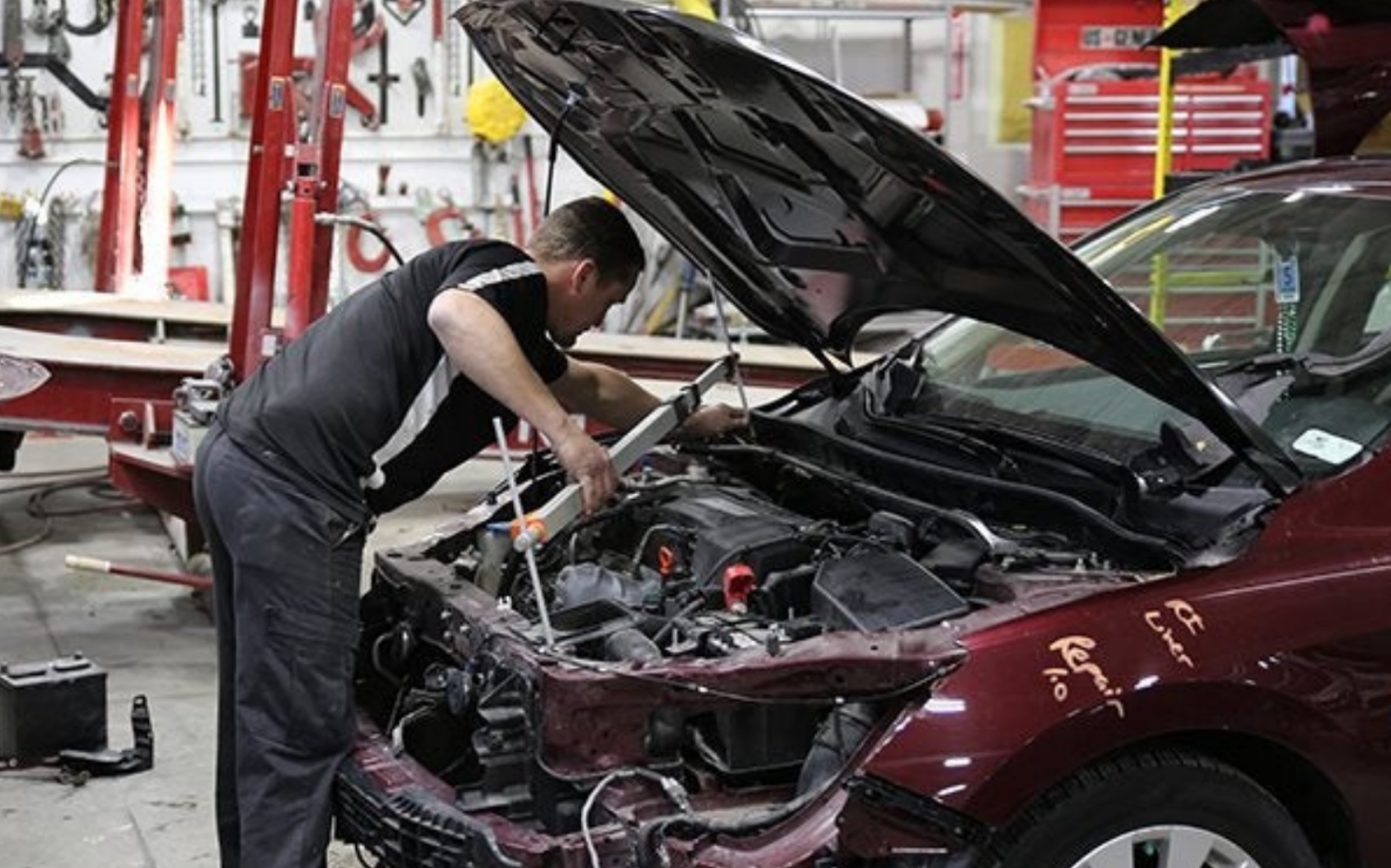
Certified Rydell car repair technician working on a vehicle involved in an accident.

How to save on car repairs

Vehicle repairs can be annoying. More annoying are the repair costs that accompany sudden car problems, which can be devastating to your budget. The good news is that you don't have to spend a fortune on vehicle repairs. Check the following expert-recommended tips for saving money. more Keep Up With Preventive Maintenance Prevention is always better than cure. This statement is also true when it comes to vehicle maintenance. You can take a few preventive measures to keep your car running smoothly and save money on repair costs. First, make sure that you check the fluid levels regularly. Low fluid levels can cause problems, which can result in expensive repairs. Replace the brake pads regularly. Worn-out brake pads can cause damage to the braking system and its components. Other maintenance practices include inflating the tires to the manufacturer's recommendations. Under-inflated tires may seem less of a problem, but they increase wear and tear on a vehicle's suspension and tires and negatively affect the gas mileage. Immediately repair glass chips, which are inexpensive to fix compared to replacing the entire windshield. Find a Trustworthy Service Technician The easiest way to overspend on car repairs is by using an untrustworthy repair shop, one that is unfamiliar with your vehicle model. When looking for a Grand Forks service technician, find individuals certified by Automotive Service Excellence (ASE). They should have certification in the area you need for repairs. For example, a technician certified to handle engine repairs may not be suitable for brake work. If you are looking for a trustworthy mechanic, visit Rydell Auto Group today to learn more about our auto repair services. Learn to Do Simple Vehicle Maintenance and Repairs You can save money on repair costs by learning to do simple vehicle maintenance tasks like changing oil and oil filters, wiper blades, and brake pads. If you have a driveway, garage, or other space at home, it is time to learn how to do some auto maintenance tasks yourself. Simple DIY tasks can save you a significant amount of money. The only cost you will incur is the parts, and you get to learn a few points about how your car operates. Armed with this knowledge, you can identify when something is wrong with the vehicle. Do Some Research When presented with a substantial car repair cost, it is wise to get a second opinion. To start, ensure that you understand every detail of the proposed repair work. You can only identify unnecessary items if you do some research. Check the internet for free diagnostic resources to verify that you're being charged correctly for repair work. It is also imperative that you check whether your vehicle model offers available warranty programs. For example, some manufacturers have increased their powertrain warranty from the basic three-year, 36,000-mile warranty to a six-year, 72,000-mile warranty. Some include a lifetime warranty. If you have a warranty for your vehicle, you will not pay for any repairs. Check the Owner's Manual Taking the time to familiarize yourself with your car's maintenance schedule can help you save money on repairs. You can save hundreds or even thousands over your vehicle's lifetime. Your vehicle's owner's manual may provide a recommended maintenance schedule you can consult at regular intervals. Never Procrastinate It is always advisable to act when you note something is not working right with your vehicle. Waiting makes the problem worse, and it can be more expensive to have the repair done. Always bring your car to your trusted mechanic when you spot a problem with your vehicle to avoid more expensive repair costs. Opt for Local Shops Instead of National Chains All vehicle owners have services shops that they frequent, either because individuals like the mechanic or the service shop are convenient for them. Most car owners tend to use national chains when going for small mechanical services and jobs. Nothing is wrong with this choice, but you are less likely to get the same level of service offered at a local shop. Local shops tend to provide better service, get the job done right the first time you visit and offer a competitive price. Local shops will continually provide you with quality service. They will also identify any problems with your vehicle immediately as they have the time to learn more about the model and how to troubleshoot any issues. Buy Used Parts You can save some cash by buying used parts. The best place to start looking for inexpensive items is a used parts specialist. Many parts rarely wear out, which makes used parts almost as good as new and much cheaper. Body trim and interior parts like rearview mirrors and radio knobs are examples of used parts that you can buy. Often, they cost less than half the price of new parts.  Other used parts that you can buy are transmissions and rebuilt engines. Typically, these parts come with warranties, so you can be sure of what you are buying. You can also buy discounted parts online. Most parts available online sell at a very competitive price. Avoid Duplicate Labor Charges At times, your mechanic may have to remove several parts to reach the element causing problems in your vehicle. This service work presents an opportunity to save money on future repairs by doing them now. For example, a repair on a squealing drive belt may suggest changing the lower and upper radiator hoses, thermostat, and water pump. These changes require the mechanic to remove some of these parts to access the drive belt.  If the mechanic was charging a flat price for each part replacement, you could bargain with the mechanic to reduce labor costs. When it comes to auto repairs, you can save significant amounts of money. The list provided here gives you a starting point if you want to save money on car repairs. If you are thinking about buying a new vehicle, you can contact us at Rydell Auto Group, and we can get a quote ready for you.
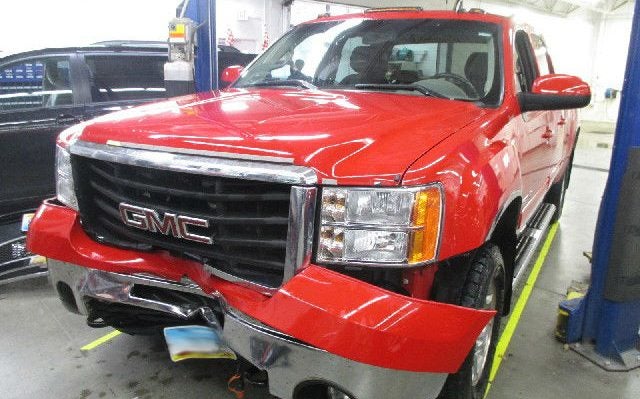
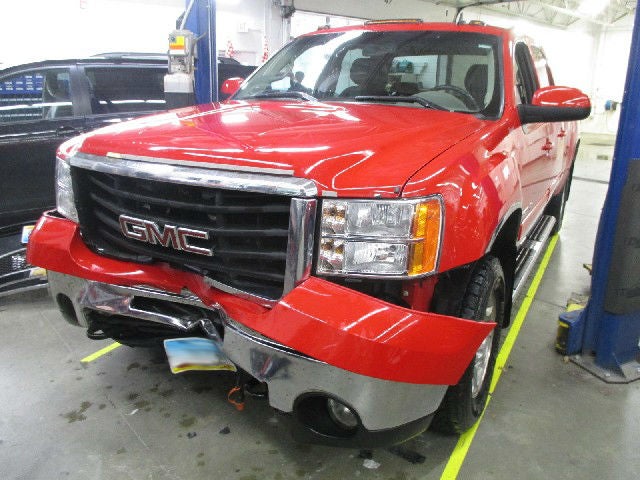
Rydell GMC Truck with the front bumper hanging off.

What repairs are needed after hitting a deer?

Deer season typically occurs during fall, from October to December. The risk of hitting a deer or other wildlife increases since it gets dark much earlier during this season. At Rydell Auto Group, we understand that such an accident can cause unseen and long-term damage to your car, especially when you fail to service the vehicle properly. In this post, we explain some of the damage that may occur if you have an accident involving a deer while driving in Grand Forks, North Dakota. more Shattered and Cracked Lighting System Headlights and fog lights illuminate the road at night and improve your view in low visibility. There is a significant chance of damaging both of these lighting systems after a front-end collision. You may have to replace the housing covers and bulbs depending on the car's lights and the extent of the damage. Auto manufacturers sometimes install fog lights on the bumper, which is an area highly likely to get damaged. Although a cracked headlight may still work, we recommend installing a new one immediately to prevent burning out the bulb. Moisture can also seep into the headlight through the cracks, causing a short circuit. Our mechanics can replace your broken headlights with Halogen, Xenon, or LED bulbs. Broken or Cracked Bumpers A vehicle's bumper is a metal bar that offers structural support for absorbing the impact from minor fender-benders. The bumper and its cover, often made of fiberglass or plastic, are both likely to sustain damage after a collision. Bumper covers use fasteners and are straightforward to replace, but you will need professional help to replace the bumper. Expect to replace other front-end accessories like brush guards or bull bars if you have a truck. Once you bring your car to our mechanics, they will perform such repairs as: Fixing shallow scratches that do not reach the paint through buffing. Replacing the entire bumper if the cracks are several inches long. Patching the bumper cover where there is no underlying damage to the metal structure. Our experts remove the bumper cover carefully, without damaging the bodywork in the surrounding areas. They then stabilize the bumpers before patching and sanding to make them good as new. Our auto body repair shop, North Dakota, offers professional paint services to match your bumper's color to the body. Broken or Cracked Windshields A deer may bounce off the road and hit your windshield. When this happens the windshield breaks or cracks, limiting your view of the road ahead. Windshields are safety devices acting as barriers between the occupants of a vehicle and the objects outside. When they break even a tiny stone, bird, or insect can cause severe damage if you are driving at high speeds. Before scheduling repairs, vacuum all small glass fragments inside the car to prevent further damage to the upholstery. Whether the windshield requires fixing or replacing, prepare the area by cleaning around the window seal and taping all cracks to prevent snow or water leaks Dented or Bent Hood Vehicle hoods are made from different types of durable materials, such as fiberglass, carbon fiber, aluminum, and steel. The hood serves a much more critical purpose than just enhancing the car's aesthetics; it also protects the engine and other parts under the hood from the elements. When you hit a deer the impact may compromise the integrity of the hood, meaning the damage can reach the engine bay. Fix dented hoods immediately to avoid pooling during rain and snow, as this causes corrosion and other mechanical problems. Our mechanics can repair minor dents but you may need a new hood if the bend is excessive. Underhood and Transmission Damage Of all the damages after a deer collision, the most dangerous and costly to fix is damage under the hood. For example, a puncture to the radiator often results in a coolant leak. This can damage the entire engine if the issue is not addressed in a timely manner. After a deer versus car collision, perform a visual inspection for fluid leakage and wait for a towing company if a leak is evident. Your vehicle's transmission is located under the hood, so any damage to it may be unseen after an accident. The services needed for the transmission may include fluid change, flushing, rebuilding, or replacement. Brake System Damage You may damage the brakes in an attempt to stop abruptly, after seeing a deer appear on the road. Bring your vehicle to our auto shop after hard braking and we will check to see whether the system still functions correctly. Some common signs of a damaged brake system include: The brake pedal sinking into the floor, due to a fluid leak. Shaking or wobbling due to warped rotors. Squeaking or squealing noises due to cracked pads. The car pulling sideways due to faulty calipers. The illumination of the ABS warning light. Schedule an appointment with our repair shop in Grand Forks, North Dakota, for a checkup if your vehicle shows any of these signs. Delaying a necessary brake repair is risky for you and your passengers. Shock Absorbers and Struts Damage Shock absorbers keep your vehicle steady when driving, while struts provide structural support by carrying the vehicle's weight and maintaining the steering system and wheel alignment. You may damage these components when you sharply swerve to avoid hitting a deer. Faulty shocks and struts can compromise the following: Mechanical and structural components. Control on rugged terrain and bumps. Handling capability and comfort. Braking distance. Tire wear. Suspension systems are complex and easily impaired, making your car unsafe to drive. Contact Rydell Auto Group for Auto Repairs After you hit a deer, it would be best to call your insurance provider first. The chances are that your package may cover the repair of some of the damaged components. Bring your car to our dealership for repairs after taking photos of the accident scene and reporting to the authorities. The highly-trained technicians at Rydell Auto Group can conduct a multi-inspection to ascertain the extent of the damage and perform the needed repairs. Contact us today or visit us at Grand Forks, North Dakota, for auto repairs and other services.

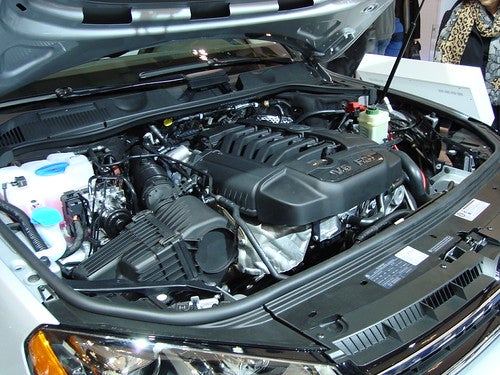
An engine under the hood of a silver sedan

Do Car Engines Need to Be Cleaned?

Engine maintenance is one of the most important types of automotive care you can provide to your vehicle. Your engine is the workhorse of your car, truck, or SUV, and keeping it clean allows it to operate at its best. If you're curious about the benefits of cleaning an engine and how to do so, this guide can help you. more Should You Clean Your Engine? Image via Flickr by Mike Babcock via CC BY 2.0 Cleaning your engine is an important part of automotive maintenance. A clean engine runs more efficiently and experiences reduced damage during operation. A clean engine can also help to lower your costs in the short-term through fuel efficiency and in the long-term by avoiding engine damage. How to Clean the Inside of Your Engine The most important consideration when cleaning your engine is looking at its insides, as this allows it to operate cleanly and effectively. Here's what you need to do in order to clean the inside of your engine: Check your coolant. The first consideration when cleaning your engine is preventing debris from gathering in the first place, which starts with checking the fluids running through it. When you check your coolant levels, also note the appearance of the coolant in your reservoir. If it appears cloudy or dirty, it is beneficial to change your coolant out with clean coolant to prevent it from injecting debris into your engine. Get your oil changed. Another important fluid to monitor is your engine's oil. When you receive an oil change, it's common to provide a mileage reading when you need to get it changed next. It's important to remain up-to-date with your oil changes in order to keep the oil in your engine cleaned to prevent it from causing clogs or damage to the engine. Use a fuel additive. A fuel additive provides a simple way to clean out your engine. Simply top off your tank, then add the additive to your fuel reservoir according to the instructions on the bottle. The additive works to break down harmful deposits within your engine in order to help it run more cleanly and efficiently. Get a tune-up. The best way to care for your engine is to take it in to see a service professional for a tune-up. By staying on time with your routine automotive maintenance, you allow professionals to examine your vehicle for any potential signs of trouble. They can alert you to any concerns about your engine and provide it with professional-level care to keep it running cleanly. How to Clean the Outside of Your Engine Although a lower priority than the inside of your engine, cleaning up its outside can still make it more presentable and help to minimize its exposure to potential damage. Follow these steps when cleaning your engine: Let it cool off. If you have recently been driving your engine, it's important to let it cool off before doing any work on it. Engines can reach temperatures hot enough to severely burn you, so turning off your vehicle and allowing it to rest–with the hood up if possible to speed up the process–allows you to work on it safely. Clear away debris. When cleaning your engine, it's helpful to begin with removal of any easy-to-clear debris. If there are any leaves or other small items that have gotten under your hood, or loose dirt on the engine, brush the debris away gently so that only stuck-on dirt and debris remain. Check your seals. Before using water underneath your hood, it's important to make sure that you protect any exposed wiring. Most modern vehicles that are vulnerable to water come with sealed components. However, it's beneficial to examine your engine to look for any areas where there are damaged seals and water can get into electrical wiring. It's important to do this in order to avoid short-circuiting the electrical system of your engine. Run the car. In order to remove stuck-on debris from your engine, it's beneficial to warm it up first. This can help to loosen any buildup on your engine and make it easier to remove. Running the engine for 10 to 15 minutes after it has cooled down should provide you with enough warmth to loosen buildup without making the engine dangerously hot to the touch. Degrease the engine. Once your engine is warm, turn off your vehicle and begin applying a degreaser. Start from the bottom of the engine and work your way up, applying it to any areas where grease or debris accumulated on your engine. The degreaser loosens build-up and makes it easier to clean your engine. Brush the trouble spots. Although degreaser is an effective tool when cleaning your engine, some areas of stuck-on grime may require additional attention. Scrubbing the grease spots with a cleaning brush allows you to break up any stubborn spots prior to rinsing. Rinse it off. After you have completed degreasing and brushing, all that's left is to rinse off your engine to clear away the debris that you loosened. You don't need to powerwash your engine, as the brush and degreasing agent work better to clean off the dirty areas. Set your hose to a gentle flow and rinse your engine from the top down to clear away the build-up. Dry it down. Once you have finished rinsing your engine, you can leave it to dry for several minutes. If the engine is still warm from running, drying it will help to evaporate some of the remaining liquid. After allowing any light surface accumulation to dry, wipe the engine down with a dry towel or rag to speed up the drying process for any areas where more water accumulated. The best way to ensure you get a high-quality cleaning for your engine is to bring your vehicle to a service center and request a professional cleaning. With experienced professionals cleaning your engine, you know it is well-protected and receives a high quality clean every time. Get Your Engine Serviced in Grand Forks with Rydell Auto Group Rydell Auto Group is proud not just to be Grand Forks' premier automotive dealership group, but also a premier automotive service provider. If your engine needs cleaning, our service team can help. Call us up or contact us online to schedule your appointment for an engine cleaning today. We will get your engine looking and running as good as new!

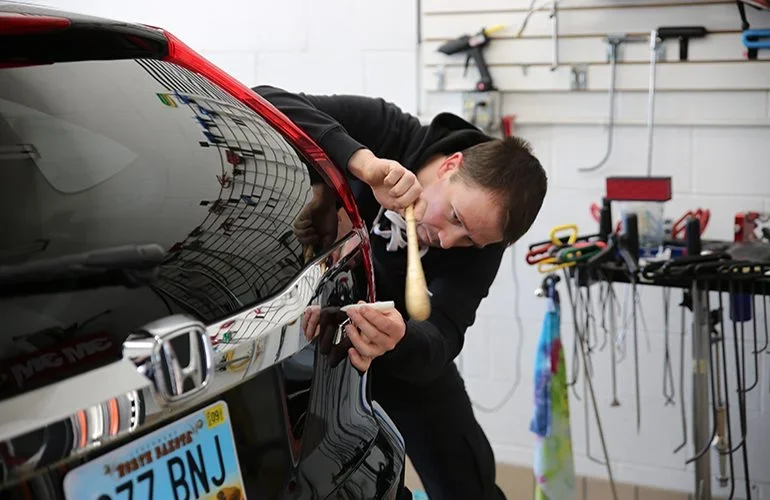
Auto Technician fixing a dent using paintless dent repair techniques

How do body shops fix dents?

From a flying rock to a collision to hail, many things can put a dent on your vehicle as you drive around in Grand Forks. Regardless of the size of the dent, it's important to fix it as soon as possible so that it won't lead to rust and other issues. Before you go to a local body shop, you may want to know what repair options you have, how the technicians will fix your car's dent, and how much you can expect to pay. Check out this helpful guide to learn more about dent repairs at a body shop. more Why You Should Fix Your Car Dents Sooner Rather Than Later Dents aren't only cosmetic blemishes, but they can escalate into other problems that can be costly to repair. The following are a few reasons why you should fix any dents on your car right away: Prevent rust: If an impact results in a crack, water can seep underneath your vehicle's paint and reach the unprotected sheet metal. Subsequently, it'll cause the metal to oxidize, which in turn leads to rust spots. The rust spots will expand in size over time, making them costlier to repair. Avoid long-term paint damage: Fixing a car dent usually involves more than just hammering out the dent. You may also have to repair the paint if there are scratches or cracks in the dented area. Everyday wear and tear and weather elements can cause the cracks to grow larger. As a result, the paint may peel or flake, leaving the bare metal exposed. Peeling paint can spread quickly and become a very expensive problem. Improve safety: Dings and dents may result in underlying structural damage that can jeopardize your safety on the road. For instance, if you're involved in a front- or rear-end collision that causes damage to the quarter panel, it can bend the underlying metal. This can make your vehicle more unstable and difficult to control, which increases your accident risk. How Does a Body Shop Fix Car Dents? The process of repairing a car dent may vary from one body shop to another, but it usually involves a few common steps. In most cases, a technician will start by cleaning the dented area so that they can clearly see the extent of the damage. The next step is to determine whether it's better to repair the dent or replace the entire panel. The technician will check if the dent is badly kinked. If it has kinks that bend at an angle of more than 90 degrees, replacing the part is usually a better option. If the dent can be fixed, they'll consider how long it'll take to get the job done. Replacement is often more economical if it takes a lot of time and labor to fix the dent. If the technician decides that repairing the dent is the way to go, they may use one of several tools or techniques to pull out the dent, such as a plier, hammer and dolly, stud welding, or a big suction cup. After pulling out the dent, they may have to apply a filler and hardener to smooth out the surface of the affected area. Then, the technician will sand the area and paint it with a matching color. For dents that didn't cause any paint damage, the paintless dent repair (PDR) process may be preferable. This process involves gaining access to the backside of the dented area through a window, a headlight or taillight, or small access holes in a door jamb. Sometimes, it may be necessary to remove paneling from the inside of the car. Once they're able to reach the dent, the technician will use metal rods to massage the metal until it returns to its original shape. How Much Does Dent Removal Cost? Image via Flickr by H. Michael Miley via CC BY-SA 2.0 Basically, the larger or deeper the car dent, the more you can expect to pay to get it fixed. A small ding can cost you as little as $50, while a deep one can set you back about $125. If your vehicle has sustained a medium-sized or large dent after colliding with another vehicle or a pole, the repair cost should be $200 to $300. Generally, the price of removing a dent that doesn't require painting is $50 to $120 per inch. For a car dent that needs to be painted, you have to be prepared to pay an additional $200 to $500. If the paint damage is too severe and costs more than $1,000 to fix, you may be better off replacing the whole panel. The cost of replacement can vary depending on which part you need to change. Getting a new bumper can run $300 to $700, whereas a new door can cost you more than $1,000. Why You Should Go to a Certified Auto Dealership for Dent Repair When you're looking for a place in Grand Forks to fix your car dent, it's essential that you don't sacrifice quality for price. Body shops that offer cheap prices may use below-par equipment, low-quality paints, and inadequately trained technicians to perform dent repairs. They can make a variety of mistakes that can ruin your car's appearance, such as color mismatching, blotching, over-spraying, sagging or running paint, or inconsistent textures. The best thing to do is to bring your vehicle to a reputable auto dealership that offers high-quality dent repair services. Such a dealership has a certified service center that complies with the stringent standards of the manufacturer it represents and uses the most advanced equipment for all kinds of auto repair procedures. In addition, the service center has a team of factory-trained technicians who have extensive experience working on your make and model of vehicle. Therefore, they know how to use the right method to fix the type of dent you have and choose the paint color that perfectly matches your vehicle. If you need to replace a bumper or panel, a dealership can provide you with a genuine OEM part. If you're looking for top-notch dent repair services in Grand Forks, consider going to one of the Rydell dealerships, such as Rydell Chevrolet Buick GMC, Rydell Cadillac, or Rydell Honda Nissan. Contact us today to make an appointment.

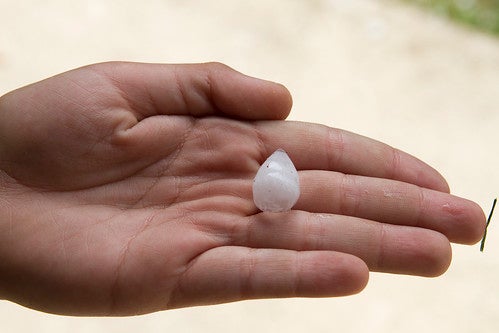
Hailstone in a hand

How much does hail damage devalue a car?

A hail storm can easily cause thousands of dollars of damage to your car, denting metal and cracking vinyl and glass surfaces. Vehicle owners have several decisions to make when it comes to hail damage. These decisions include how or even if they're going to fix the damage, implications on the vehicle's resale value, and how it affects any automotive loans. Find out more about the implications of hail damage and how to make the best decision based on your circumstances if your car falls victim to a summertime storm. more How Costly Is Hail Damage Repair? Image via Flickr by kajsahartig via CC BY 2.0 Hail damage claims around $3,000 on average, but the costs can exceed $10,000 depending on the vehicle and the extent of the damage. Some repairs may be quite labor-intensive and require costly new parts. Comprehensive car insurance will cover it up to a specified threshold based on its value or may choose to total the vehicle out. Estimating hail damage is usually done by adding several costs, including dent removal labor, labor to remove and install replacement parts, any needed replacement parts, painting costs like materials and labor, and sales tax. The number and severity of dents, coupled with other damage like broken glass and other components like chrome, can add up to high dollar amounts. As a general guideline, the newer the vehicle, the more advisable it is to repair it to retain its value and making it easier to sell. Hail damage may also cause safety concerns that need to be addressed. Some people may decide not to repair hail damage, especially if they only have liability insurance, but not repairing damage requires careful consideration. If you submit the claim to your insurance and then choose to pocket the insurance company's damage check, you may have to pay down the car loan. The resale value of the vehicle is also reduced. Hail damage repair can be quite complex, potentially affecting many areas of the car body with dozens of dents and other damage. How Is Hail Damage Repaired? Conventional hail repair includes filling in dents and repainting panels that aren't heavily damaged. Some panels need to be replaced if they are heavily dented, and other components like chrome and glass may need replacement as well. Paintless dent repair, known by some as PDR, is possible if the hail didn't damage the paint. Dents are carefully fixed through metalworking through this cost-effective method. Paintless dent repair is typically priced by the number of dents and their width and depth. Larger dents and a higher dent count increase the dent repair cost, sometimes significantly. Technicians often need to remove and install vehicle components to access the metal to make repairs. For example, door upholstery may need to be removed to fix dents. If paintless dent repair isn't an option for part or all of the repair, body panels will need additional work like filling in dents, repainting, or replacement. Costs for labor and materials will go up as well. Once properly repaired, hail-damaged cars retain their resale value, especially with paintless dent repair methods that preserve the original finish. How Do You Buy and Sell a Hail-Damaged Vehicle? Hail-damaged cars can be purchased for a steep discount, especially after a large storm that created a swath of damage. Repairing the damage may exceed the expected profit from selling a vehicle as-is. Buying a hail-damaged car, especially with the intent to repair, can be a tricky undertaking. Assessing hail damage requires a lot of research. Dent repair difficulty varies depending on size, placement, access to the panel, and whether new parts or paint is needed. It's best to request a repair estimate when purchasing a hail-damaged vehicle. If a vehicle's damage exceeds its value, it will be totaled and a salvage title issued. Buyers will get a reasonable price but will have to make repairs or live with cosmetic damage that will detract from future value. How Does Hail Damage Affect an Automobile Loan? Vehicles financed or leased usually must be fixed to protect the collateral's value for the lienholder. Finance or leasing companies often must approve how car owners use the claims payout, and some insurance companies cut checks directly to the repair shop. Typically those who decide to pocket insurance money rather than fix damage are outright owners with no lease or loan. Financing the purchase of a hail-damaged vehicle may be tricky, and insurers likely won't cover existing damage and may deduct this from any future accident claim. It's best to notify lenders and insurance agents of the damage upfront to make sure you have proper financing and insurance coverage. Is Hail Damage Reported to CARFAX and Similar Services? Hail damage typically won't appear on CARFAX and other car report services because it isn't structural in nature or the result of a collision. CARFAX reports protect consumers from purchasing vehicles with fraudulent or undocumented past or prior accidents or losses but are not always comprehensive. Not all car repair services are required to report work done. Insurance companies and car collision centers may report hail damage. Car owners can purchase a CARFAX report and request corrections like hail damage reported as structural damage. Ensuring the report is correct will protect car owners from issues should they choose to trade in or sell at a later point. Hail damage that exceeds the vehicle's value will result in the car being reported as totaled, much like those with extensive collision damage. Insurance companies will pay out the vehicle's actual value and not the amount owed on a loan, creating potential negative equity. Some insurance companies offer gap policies covering the gap between payoff value and the loan amount if the loan exceeds the car's value. Contact Rydell Auto Body and Glass If you have any questions about hail damage, contact Rydell Auto Body and Glass. Our knowledgeable staff will be able to give you options for handling hail damage that meets your needs. Paintless dent repair is also available as an option, so stop by and talk to us today about your hail-damaged vehicle. At Rydell, our ASE-certified technicians have over 100 years of combined experience in high-quality repairs. We believe in our work and offer a lifetime guarantee on all work we complete on your vehicle.

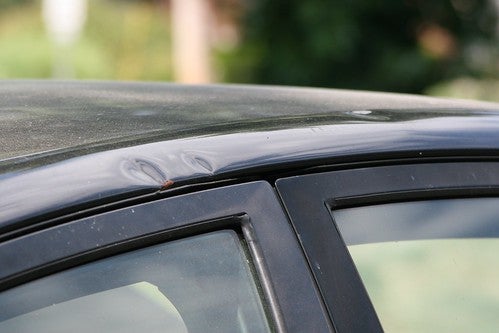
Car Roof with Hail Damage

Can hail damage be completely repaired?

Discovering that hail has caused extensive damage to the exterior of your car can put a serious damper on your day. At Rydell Auto Group, we understand how frustrating it can be to have unsightly pockmarks ruin the finish of your favorite ride. A hail storm doesn't last forever though, and the damage done to your car doesn't have to stick around, either. Learn about your options for repairing hail damage to your vehicle. more Repairing Hail Damage Most hail damage can be repaired by skilled technicians who understand how to restore your vehicle's body to its former state. While some do-it-yourself repair methods do exist, they're often unreliable, can sometimes cause even more damage, and can significantly affect your car's resale value. Taking your vehicle to an auto shop to have the job done promptly and properly by a professional is worth the cost to fix your car. Plus, insurance might cover some or all of the expense. Technicians can use several methods to repair dents, dings, and scratches from hail, depending on the size and type of the damage. Filler and Glazing Image via Flickr by pasa47 via CC BY 2.0 If you emerge from your home after a hail storm unscathed but discover your car is marked with blemishes ranging from small to medium-sized indents, you can take it to a professional mechanic for filler and glazing. After just a few simple steps, your car's finish will look good as new. First, the technician will sand down all the damaged areas to remove the paint. Then, the technician will apply a filler to each dent and sand the area down again for smoothness. If necessary, they might also apply a glaze putty to the surface, followed by another round of sanding. Once those steps are complete, the repaired area will be painted to match the rest of the body. Body Panel Replacement Major hail storms can cause significant damage to a vehicle that is not properly protected by a garage or sturdy car cover. If the damage from a hail storm is so severe that your vehicle more closely resembles the moon than a car, you might need to take more drastic measures to fix it. Your mechanic's only option might be to remove and replace entire body panels. If panel replacement is your best bet, the technician will order the appropriate parts and panels, which might include a new hood, roof, or windshield. This process can be time-consuming while you wait for the panels to arrive. Panel replacement and the labor and body paint required to get the job done can also be expensive. The technician will then remove the old panels and bolt on and paint the new ones for a completely restored look. Heat Repair If you have an older car and the dents from hail damage are small, heat repair using an oxyacetylene torch can be a very reliable method. Most technicians don't recommend it for newer cars, however, which tend to have thin exterior metals that can't withstand heat repair as well. With this method, the technician will move the oxyacetylene torch in a spiral motion to heat the metal surrounding the dent, slowly working toward the middle of the insult. The heat will raise the metal slightly. As the temperature of the metal cools, the raised areas will smooth out to form a nice, flat surface. Next, the technician will feather edge the paint before adding a primer. Lastly, they'll apply a new coat of paint that will disguise any evidence that your car came into harm's way. Paintless Dent Repair Paintless dent repair (PDR) is a cost-effective and fast way to repair hail damage, particularly if the dents are small. Plus, the method doesn't require the use of harmful chemicals. All of the damage is repaired from the inside out. Depending on the extent of the damage, paintless dent repair can often be completed in one day. When performing paintless dent repair, your auto technician must remove the affected panels and headlights to gain access to the other side of the dent. Then, the technician will use a set of specialized dent removal tools to gently push each dent out from behind the car's body panels. The technicians that perform paintless dent repair are typically skilled professionals who understand how to apply the appropriate amount of slow pressure to repair a dent. The end result is a car with no evidence of a barrage of hail. Insurance Coverage The cost of repairing major hail damage can quickly add up to thousands of dollars. If you're concerned about how much these hail damage repair techniques might set you back, don't worry. Car insurance companies label hail damage as a comprehensive claim. You should have protection even if your liability coverage is set at its minimum. A hail damage claim shouldn't cause your premium payments to increase, either. Always check with your local agent first to verify whether it's worth filing a claim for hail damage repair. If your car insurance deductible is $500 or less, it could be well worth filing the claim. If you do decide to use insurance to help cover the costs of repair, you will need to take clear photos to document your vehicle's damage. Contact your insurance provider as soon as possible after the hail storm. This step helps ensure you not only avoid issues with the insurance company but can also schedule an appointment with a body shop sooner rather than later. Storm clouds might bring hail to ruin your day — and your car's paint job. If you get stuck in a hail storm and are left with a car covered in pits and craters, know that you have several options for repair. At Rydell Auto Group, we can help you assess each technique and select the method that's most appropriate for the amount of damage and your wallet. If your car has suffered hail damage, drop us a line, and we'll help restore your vehicle to its former self.

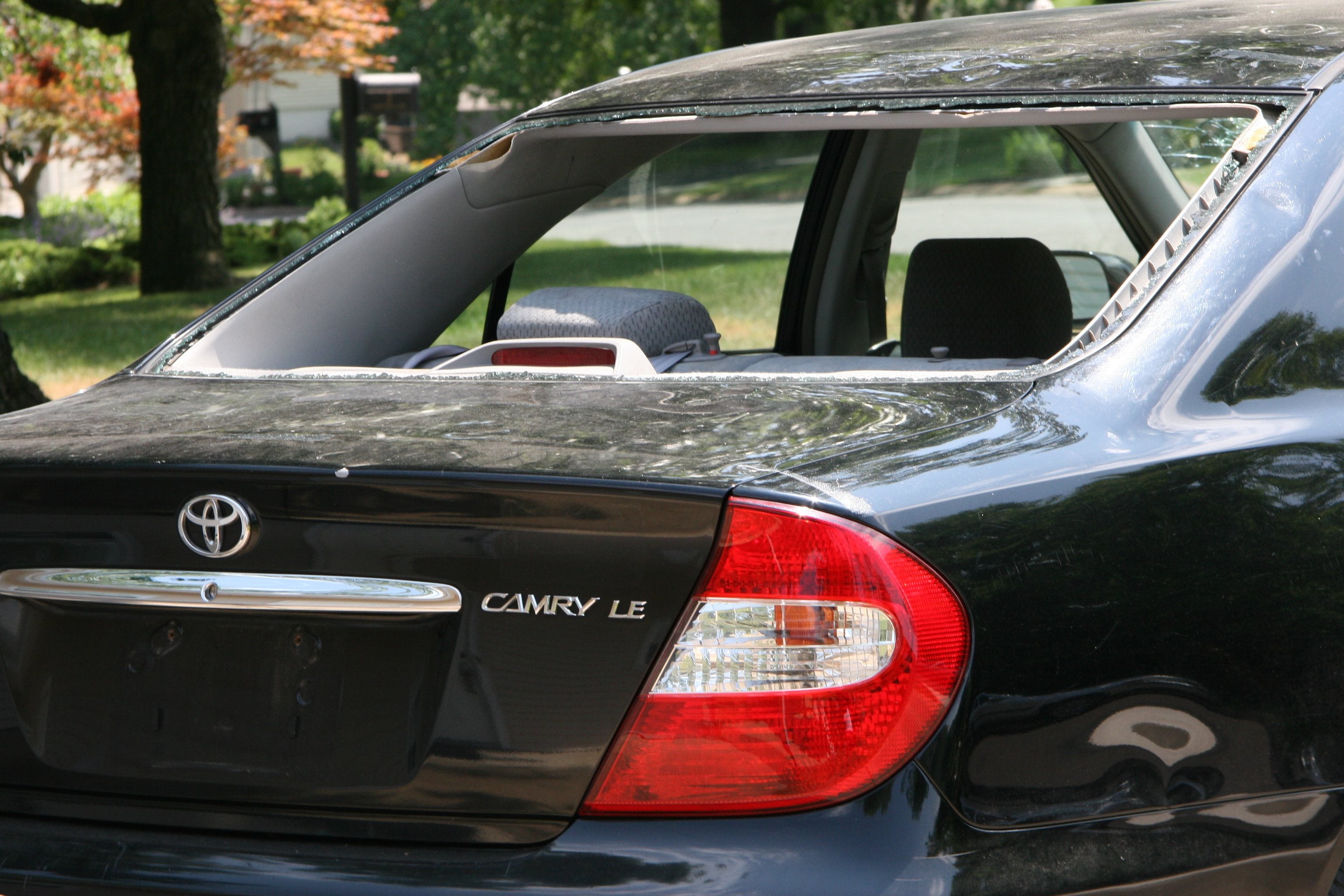
Black Toyota Camry LE with hail damage on rear

Does Car Insurance Cover Hail Damage?

Hail can damage your vehicle when you're least expecting it, since storms and other extreme weather events are notoriously difficult to predict. Luckily, some insurance policies cover body shop repairs for hail damage to your car. Even if your policy doesn't provide coverage, you can take several steps to protect your vehicle from damage. Here's a rundown of what you need to know about hail damage, your auto insurance policy, and how you can get hail damage repaired. more Which Insurance Policies Cover Hail Damage? Image via Flickr by Paul Sableman Hail damage to your car is covered by policies with comprehensive insurance. This optional add-on to most insurance policies is sometimes referred to as comprehensive coverage. Comprehensive insurance is designed to pay out the costs of damage to your vehicle that doesn't occur during a car crash or accident. As a result of the additional protection it offers, you usually have to pay higher premiums to obtain comprehensive coverage. If you're driving a rented vehicle when a hail storm strikes, the damage will likely be covered. Most rental companies have comprehensive insurance for their vehicles. Which Policies Do Not Cover Hail Damage? Collision insurance policies won't cover hail damage to your vehicle. That's because this type of insurance only covers damage caused during a collision with another vehicle or a road accident. Liability insurance also doesn't cover hail damage. A liability policy protects you from being financially responsible for any damage you cause to another person's property, like their vehicle, during an accident. Liability insurance can also pay for another person's medical bills if they suffer an injury as a result of an accident caused by you. How Do You Know If Making a Claim Is Worthwhile? If a hail storm has damaged your car, the first thing you should try to do is get the damage assessed by an auto technician so you know how much the repairs are likely to cost. Most insurance policies include a deductible, which is an amount of money you must pay when you make a claim. For example, if you have a deductible of $500, this means that the first $500 of any costs related to your claim is paid by you. If the cost to repair your vehicle is less than your deductible, it won't be worth your while to make a claim. Even if the cost is slightly above your deductible, you may decide not to pursue a claim through your comprehensive coverage. This is because claims are registered on your insurance record and can result in your premiums increasing. Some insurance policies may offer a very low deductible or no deductible at all, which can be helpful if you experience regular hail storms. However, you'll probably need to pay higher premiums to get such a policy. Another point to keep in mind is that some policies may waive the deductible for glass damage. For instance, if your windshield is cracked in a hail storm and it can be repaired, the repair may be covered by your policy without any requirement for you to pay a deductible. If you're unsure whether your policy contains this provision, try talking to your insurance agent to find out. Is It Worth Repairing Cosmetic Damage? If the cost to repair cosmetic damage is less than your deductible or you don't have comprehensive coverage, you may be considering not getting it repaired in order to save money. You're free to make this choice, but remember that it could affect the resale price for your vehicle if you plan to trade it in at a later date. Additionally, if you lease a car or took out an auto loan to pay for it, the company you're leasing from or your lender may require you to keep your vehicle in good condition. This may mean that you have to pay for the repairs to stay in compliance with the terms of your agreement. What Happens If a Car Is Totaled? Your vehicle is considered totaled if the cost to repair the damage is higher than the vehicle's value. This can occur due to hail, which in a worst-case scenario can damage your car across its entire bodywork. After an insurer decides that your vehicle is totaled, they will usually send you a check minus your deductible. You can then put the money towards buying a new car. What Can You Do to Protect Your Car From Hail Damage? The first thing to do is to ensure that you have comprehensive coverage. Remember that you need to request this type of coverage in advance of bad weather. Many insurers put a stop on new requests for comprehensive coverage if a storm warning has been issued for your area. This is done to stop consumers from only purchasing comprehensive insurance for short periods. If you decide not to purchase comprehensive insurance due to the additional cost or other factors, you can still safeguard your vehicle from hail. Consider buying a hail protection blanket, which is a soft covering you can place over your vehicle to protect it from the elements when it's parked. You can also try to park your car in a garage or other indoor location during a storm. If you're on the road during a hail storm, try to pull over under an overpass or other sheltered area until it passes. If you don't have access to a garage at home, you can set up a carport in your driveway instead. This is a structure that covers your vehicle to prevent harsh weather conditions from causing damage. Schedule Hail Damage Repair in Grand Forks Now you know a little bit more about how insurance policies respond to hail damage and how you can protect your vehicle from storms. We hope we've been able to answer all of your questions. But if you're still unsure about anything, feel free to contact us, or arrange an appointment at our body shop in Grand Forks to get your hail damage assessed.

How To Choose a Body Shop

With many different body shops available for automotive repairs, it can be a little overwhelming to choose the right one. Unless you are a professional automotive body technician or work in the industry, it can be a daunting task when you need to have your vehicle repaired. Here are eight steps to help you make an informed decision of which body shop to visit. more Visit Our Body Shop Chat With an Expert Listen To Word-of-Mouth Image via Flickr by jrladia There are many advertising outlets such as radio, email, and television, but word-of-mouth advertising may be the most reliable of all. Some of the best body shops are the ones you don't see on billboards or hear about every time you watch TV. Body shops with an excellent local reputation are mostly advertised through word-of-mouth, which speaks volumes about their quality of work and customer satisfaction. Research the Body Shop When you find a body shop you are interested in, a little research can go a long way. Useful information about a body shop includes how many years it has been in business, any Better Business Bureau ratings, examples of its work, and references. You can also check on the body shop's certifications. Both general certifications and OEM-specific certifications are important indicators of the body shop's ability to help you restore your vehicle. When you take the time to look into these things, it can reveal a lot about a company and help you decide if you are willing to allow them to work on your car. Learn About the Body Shop's Overhead and Location Cost of labor may seem like a simple hourly rate charged for the work being completed, but it can be a sign of overpricing. Two factors influencing labor costs are the company's overhead and location. If a body shop has a front-office with extensive office workers, prices will be higher to cover those employees' salaries. Though some people are more confident in companies with receptionists, managers, and shop foremen, the costs associated with those positions may cause your bill to be higher than a body shop with less overhead. Location can also play a role in higher costs. Body shops in areas with a higher cost of living will charge more for services rendered than those in areas where the cost of living is lower. Taking these two factors into consideration when choosing a body shop may help you save money. Compare Estimates Don't settle for the first estimate you get, shop around and find the best quote. If a body shop offers to do the job for an insanely low price, you may want a few other opinions before accepting this as the right choice. Body shops will often price match to gain your business, and this can be a good sign, letting you know they are willing to negotiate to have you as their customer. Ask Necessary Questions A warranty should cover the bodywork on your car, and the body shop should explain the details of such coverages before rendering the repairs. Complete paint jobs are typically warrantied for three years, while the bodywork is usually covered for two years. A one-year warranty is typically the minimum for this type of work. To ensure you are getting the best possible deal, you will want to ask questions such as: Is there a written copy of the warranty? How long will the warranty last? What is the warranty covering? Is the body shop carrying fire and theft insurance? How long has the body shop been in business? Will they use new, used, or aftermarket parts? How many coats of paint and clear coat will be used? These questions will help you better understand how the body shop works and the quality of workmanship you can expect. They will also help relieve any concerns or worries you may have about entrusting your car's repairs to the shop's technicians. Asking questions is a crucial aspect of choosing the right body shop for you. Ask for Your Mechanic's Opinion Unless you work in the automotive or a related industry, you won't have common knowledge of which body shops are the best in your area. This is where someone like a trusted mechanic comes into play. Mechanics consistently deal with body shops and have enough experience with different shops to determine which ones are the best. Even when you get an outside opinion, don't drop your guard and use the previous list of questions to help you make a final decision. Pay Close Attention to Customer Service and Qualifications You will benefit from rating a body shop's customer service. If they are impolite, don't return calls in a timely fashion, and seem to have no concern for your needs, you may want to walk away. You will also want to determine if their technicians have experience by asking how long they have been in the business. First Impressions Ultimately, the decision of which body shop to use is yours. After doing your due diligence to research, visit, and ask questions, you can make an informed decision you are comfortable with. There are cases where you do all the legwork but still don't feel satisfied with a particular body shop. When you feel like this, it is best to go with your gut instincts and find another business where you can feel confident in their ability to perform the work. When visiting a body shop, take note of how busy they are. If there are only a few repairs taking place, it could be a sign of poor services resulting in less business. Don't hesitate to ask for examples of their work. Most body shops keep detailed records of repairs and photos to promote the quality of their services. First impressions can be a significant deciding factor to consider during your research. Contact Rydell Auto Body & Glass Dents, scratches, and cracks are not only unsightly but can reduce the value of your car. Besides, who wants to drive a vehicle with these types of damage? Your vehicle is an investment worth caring for, and when it is damaged, you should seek out the best body shop to restore your car to its former glory. Contact us at Rydell Auto Body & Glass for professional, certified body shop expertise.

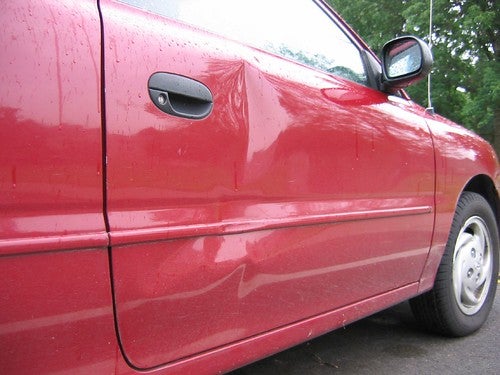
Red sedan with dent in passenger side front door

How Much Does Dent Repair Cost?

What do a rock, a tree branch, and a shopping cart have in common? They can ruin your car's exterior without the slightest provocation. Nearly every car owner has had one of these three things put an unsightly dent in their car's hood, fender, or door at some point. Worse yet, there are hundreds of other ways your car can be dented without ever being in an accident. Hail, a stray baseball, or even another car door can easily cause your car damage. Many people simply live with the dent, believing it too expensive or too much of a hassle to fix — but it doesn't have to be either. At the Rydell Body Shop, we have a skilled team of factory-trained professional technicians and body repair specialists ready to fix that pesky little dent. We've dealt with dents of all kinds and will have your vehicle looking like new in no time. Keep reading to learn just how easy and inexpensive it can be. more Schedule Dent Repair in Grand Forks Chat With an Expert What Is a Dent? Image via Flickr by shrff14 Let's start with the basics of what a dent actually is. It's an indentation on your car's exterior surface that was caused by something striking it with force. It could be caused by the tree branch or shopping cart mentioned above, or it could be something else entirely. Your car's exterior is either aluminum, steel, or some other alloy that is firm, but not so rigid that it breaks when hit by something. Instead, the metal gives way leaving the dreaded dent. Dents come in all shapes and sizes. Dents can be shallow and small, or they can be large and leave creases in the metal. The size of the dent is usually the biggest factor in determining the cost to repair it, though there are a few exceptions. Any significant damage to your car's paint will impact the cost as well. A shopping cart might strike your door panel and cause a dent. It might also hit at an odd angle and leave a scratch or crease running off the dent, which will make the damage more costly to repair. The quality and condition of your car's original paint is a factor as well. Older cars will often have paint that chips or cracks when the vehicle is dented, compounding the problem. Older cars may also be made of thicker metals that are less flexible and resist being reshaped. Traditional Dent Removal The traditional method to repair a dent would consist of pulling the dent with a tool that actually causes more damage to the metal panel. Even without any additional damage, the process doesn't leave a smooth surface to work with. Body fillers would be used to smooth out the imperfections still there. After that, a sanding of the entire panel, hood, or whatever part was affected is necessary. Then you must paint the entire part, first with a primer and then with a finish coat or two to achieve the proper color. Sometimes the part must be removed to paint; other times you would need to tape up the neighboring parts of the car. Either way, it's labor-intensive and costs money and time. Anticipate it taking anywhere from 2 days to a week or longer. Paintless Dent Removal Assuming there is no significant paint damage to your vehicle and all you need is to repair a dent, you should consider paintless dent removal. This is a less involved process than the traditional dent removal practices of years gone by. This is because today's vehicles are built with thinner gauge metals and polyurethane paints that are much more pliable. At Rydell Auto Group, our technicians use special tools designed to reshape the metal without harming the paint in the process. The job is done from the inside so there's no additional damage to your exterior. When the job is done, there is no sanding, painting, or body fillers. Your car is back to its original shape, and your paint is still intact. What Types of Dents Can Be Repaired With Paintless Dent Removal? As long as there are no signs of paint damage, the process can work on almost any size dent. Hail damage can usually be repaired this way, as can dents caused by road debris like rocks or gravel. Minor parking accidents and fender benders can effectively be repaired with paintless dent removal, as can a ding from another car door. There are a few types of dents that cannot be fixed with paintless dent removal. Any dent that involves cracked or missing paint can't be fixed entirely with this method. The dent may be removed, but fresh paint will be required to fully restore your vehicle. A double-walled metal panel can't be repaired this way either. Because this job is done from the inside, the interior wall will obstruct the process. Any sharp edges or creases that were created by the impact cannot be repaired with paintless dent removal, either. These creases and edges have compromised the metal so that it cannot be returned to its original smooth shape. The Cost to Repair a Dent As we said earlier, several factors come into play. Paintless dent removal is by far the least expensive way to repair a dent. It also takes less time and maintains the structural integrity of your vehicle's design better than alternative repair methods. You can expect a small dent to cost as little as $75 or as much as $500 depending on the size and location. At Rydell Auto Group, we have one of the largest body repair shops in the region. All of our technicians are factory-trained to work with all types of vehicles. Our shop is an ASE and I-Car Gold certified body shop. We are also an OEM certified body shop for Nissan, Acura, and Honda and are Ford and Cadillac Aluminum certified. Schedule Dent Repair at Our Grand Forks Body Shop You can schedule your repair online or call us at 701-792-2846 with any questions you might have about our process. Our friendly, knowledgeable staff will answer any questions you might have regarding your repair. We can even work with your insurance company to help cover the claim.

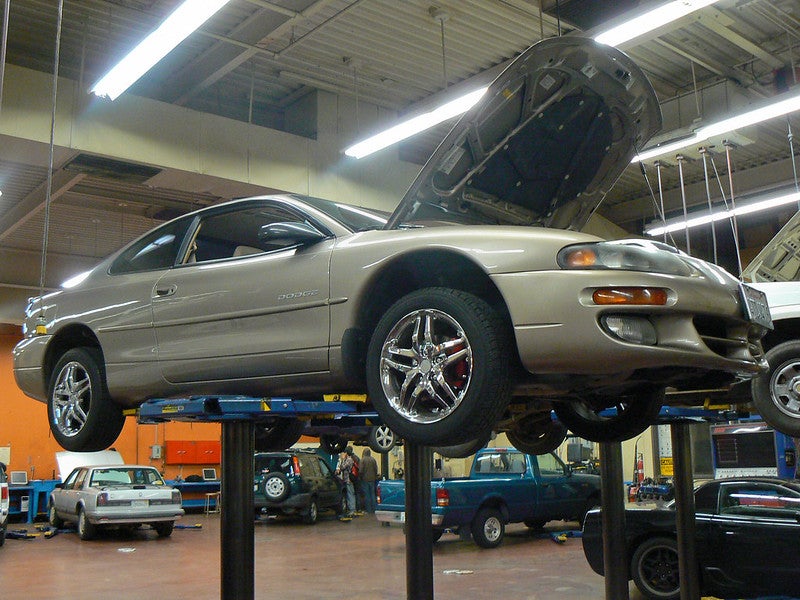
Car lifted in body shop with hood up for certified auto body work

Why Choose an OEM-Certified Body Shop in Grand Forks

If you've recently had the misfortune of being in an auto accident, your insurance company has probably directed you to a repair shop they've certified to make repairs. The problem is, insurance companies find the least expensive way to meet their repair obligations. This will often come at the expense of quality, OEM parts, and repairs. In contrast, the auto industry has been under increased pressure to meet higher standards for quality and safety, and this includes repairs. The intended result is to provide more OEM-certified repair facilities but the fact is, few body shops meet the strict standards required. At Rydell Auto Body and Glass in Grand Forks, North Dakota, we pride ourselves on being certified by a long list of OEMs, making us the only OEM-certified body shop in the city. more Visit Our Body Shop Chat With an Expert What Are OEM-Certified Parts and Repairs? Image via Flickr by Nick Ares OEM stands for Original Equipment Manufacturer. Auto manufacturers are held to strict quality standards when building their vehicles. So when you purchase an OEM part you can be confident that it is the same part, made by the same company, that was installed in your car the day it rolled off the assembly line. The benefit of OEM parts is you get an exact replacement part for your car. It is guaranteed to fit properly, work to the exact specifications, and will come with the factory warranty. You can rely upon the quality craftsmanship and performance of OEM parts. The same holds for OEM-Certified repairs. Like the parts coming from the original manufacturer, repairs are done to the manufacturer's specifications and with only OEM parts. What Are Aftermarket Parts and Non-Certified Repairs? An aftermarket part would be any part made by a company other than the original manufacturer. They can be body parts, mechanical parts, interior and exterior furnishings, fitting, trims, high-performance parts, and specialty accessories. When looking at an aftermarket part you might not notice any difference in size or shape. You will see a generic label versus an OEM label, but otherwise, they often look identical leading many to believe they are the same. Unfortunately, this isn't always the case. Because aftermarket parts manufacturers aren't held to the same quality standards of production they can be, and often are, different. An aftermarket part only has to fit or work, but not to the exact specifications set by the original manufacturer. This fundamental difference usually results in parts made with less expensive materials. What results is a shorter working life of the part leading to premature failure leaving you broken down or in some cases causing an accident. Another common occurrence with aftermarket parts is a poor fit. One reason for this is the part might be replacing multiple brands, not the lone OEM brand it was made for originally. So you might get a part that is slightly longer or wider than it's original but functions the same. So it works but doesn't properly fit. The poor fit might make it difficult to install in tight places, or a mounting bracket hole is slightly off, or it might not fit at all. OEM-Certified Repairs are the same as the parts. OEM-Certified means the technician has been factory-trained and that all the parts used will be OEM parts. If your body shop isn't OEM-Certified you run the risk of getting someone working on your vehicle without the proper training and getting substandard parts. The insurance companies save money with aftermarket and non-certified repairs. If it doesn't fit properly, work right, or last as long who is the one who suffers? What's more is if you ask, most mechanics and body shop technicians will tell you OEM is the way to go. Rydell Auto Group Is OEM-Certified At Rydell Auto Group we take pride in using only factory-certified OEM parts and factory-trained technicians to perform all your body shop repairs, from fixing bumpers to removing dents. We know the parts will fit, work, and are backed by factory warranty which means we know you'll be happier. I-Car Gold Class Certification Rydell Auto Group is an I-Car Gold Class Certified body shop. This prestigious designation is achieved only through constant training of our team, from managers to technicians. By continuing to educate our staff we stay up-to-date on all the latest OEM repair techniques and quality products from the manufacturers. Nissan Collision Repair Network Certification We've also received certifications like Nissan's Collision Repair Network Certification. Our technicians have all received factory training and because our body shop is in the same facility as our dealership, we can confirm the parts are OEM and get them faster than other shops if they need to be ordered. ProFirst Certified Collision Repair Facility Honda has certified our body shop as a ProFirst Certified Collision Repair Facility. All of our technicians have received Honda-specific training, use the proper tools, and maintain high customer satisfaction marks to receive this certification. GM Certified Service Provider As a GM Certified Service provider, we have all the factory training, specialty tools, and OEM parts necessary to repair your GM vehicle. Cadillac Aluminum and Ford Aluminum Certified Body shop We are a Cadillac Aluminum Repair Network facility and a Ford Aluminum Certified body shop too. Repairing aluminum requires unique training, tools, and techniques, and our certifications mean we've met these strict requirements from the manufacturers. Independent Verification Rydell Auto Group is proud to say we've received independent verification of our body shop and service department from two separate, nationally-recognized organizations. VeriFacts is an independent company that performs random inspections of our overall quality, training, skills, and techniques. We are also Assured Performance Network Certified which is another independent organization grading our skills, techniques, and quality. Insist on Quality OEM-Certified Repairs Your insurance company may send you to one of their "certified" body shops, but if the shop isn't "OEM-Certified" you should insist upon using one. At Rydell Auto Group we are OEM-Certified in multiple brands so you can be confident your vehicle will be repaired right the first time. Schedule Certified Auto Body Repair in Grand Forks Feel free to contact us online or call us at 701-792-2846 to schedule certified auto body repair. Or, if you prefer, you can come visit our body shop in person and receive an estimate immediately on any repairs you might need. Our friendly professional staff has experience working with many insurance companies and can help you navigate the process. Our goal is your 100% satisfaction and our OEM-Certified facility is ready to do just that.

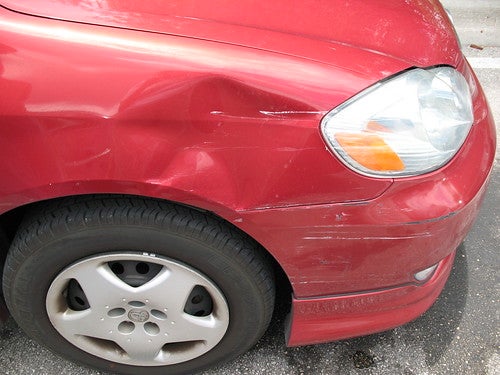
Red car with a dent in it above front right tire well, in need of paintless dent repair

What Is Paintless Dent Repair?

When you invest in a vehicle, the last thing you want to worry about is getting in a collision that leaves a sizable dent in the exterior. However, it's something that can happen any time and without much warning – especially with icy roads during the North Dakota winters. Knowing your options can help you determine how to move forward with the dent repair. One cost-effective option is paintless dent repair, which can eliminate the damage to the vehicle. We perform paintless dent repair at our auto body repair shop in Grand Forks. Learn more about paintless dent repair, and then schedule your dentless repair appointment at our North Dakota body shop. more The Process of Paintless Dent Repair Image via Flickr by donielle Paintless dent repair is an effective method for dealing with minor dents, scratches, and dings in your vehicle's exterior. It begins with an analysis of the damaged area, during which a certified auto body technician can make sure the dent qualifies for this type of repair. From there, the process involves dealing with the damage from the inside of the car. The technician working on your vehicle will remove the panel that sits behind the damaged area, providing access to the posterior side of the dent. After getting access to the impacted area, the technician will apply slow, continuous pressure to the posterior side of the damage. This process must be done slowly to avoid overcorrecting, or pushing the dented area out too far, leaving a protrusion. Technicians who offer paintless dent repair also understand the importance of applying continuous pressure to both sides, which helps work the dent out and leaves the affected area of your vehicle looking as good as new. Because this type of dent repair is less intrusive than other methods, it can be done quickly and efficiently, helping you get back on the road sooner. Traditional repairs often require technicians to order factory-approved automotive parts and paint that matches the exterior color of your vehicle, but paintless dent repair doesn't require special components or paint. In many cases, the job can be completed in one day or less. Paintless Dent Repair vs. Traditional Dent Repair The process of repairing a dent involves filling in damaged sections with body filler or paint and then repainting the entire area to match the rest of the vehicle's exterior. If the damage is extensive enough, you might have to replace entire panels and parts, which becomes expensive and time-consuming. Filling in the dents might resolve the issue from an aesthetic perspective but isn't a long-term or sustainable solution. The impacted area might be more susceptible to further damage if you get involved in a collision. What Qualifies for Paintless Dent Repair When determining whether your vehicle's damage qualifies for dentless paint repair, the first thing to look at is whether the exterior paint job has been damaged. Cracks or chips in the paint require more extensive repairs. Plus, this type of damage can worsen if you don't have it repaired right away, as it can leave the metal frame or components exposed, putting them at risk of rusting or corrosion. However, many dents don't impact the paint and can be repaired via the paintless repair process. A number of situations can leave your vehicle looking worse for the wear. You might come back to your vehicle in a parking lot, only to find that a rogue shopping cart has crashed into the side of the car or that a careless driver has bumped their door into yours. Even a hailstorm can lead to damage to the exterior of a vehicle that might qualify for paintless dent repair. Paintless Dent Repair Limitations As mentioned, paintless dent repair only works on damage that hasn't caused significant cracks or chips in the paint job. It is also best suited for smaller dents. Many technicians will only provide this service on automotive damage that is no larger than the size of a balled fist and no deeper than half an inch. The reason for the size limit is that the process of working the panel out from the inside and outside of the car can cause damage to the metal if the dent is too large. You could end up with stretched metal components that cause more extensive and costly damage. Advantages of Paintless Dent Repair One of the key benefits of paintless dent repair is the cost advantage. Traditional dent repair could cost several thousand dollars, depending on the extent of the damage and the type of vehicle you drive. An upscale or imported vehicle could garner an even higher repair bill at the auto body shop. Paintless dent repair, on the other hand, often costs an average of several hundred dollars. The cost savings could be substantial if your vehicle qualifies for this repair option. The time it takes to perform the repair is another advantage. Leaving your vehicle in the shop for days can be frustrating, especially as you try to juggle other responsibilities that require getting from one place to another. For a small dent, the paintless dent repair process might take only a few hours, similar to having new tires put on your car. You'll be in and out quickly, allowing you to continue with your obligations from the comfort of your own vehicle. Does Insurance Cover Paintless Dent Repair? Your automotive insurance policy might cover paintless dent repair, although you may want to compare the out-of-pocket cost of the repair to the potentially increased premiums you might face by having your policy cover this cost. Because paintless dent repair is cheaper than traditional body repair work, it might benefit you financially to pay for it yourself, avoiding the jump in insurance premiums that can come when you file a repair claim. Schedule Paintless Dent Repair in Grand Forks If you're interested in finding out whether your vehicle's damage qualifies for paintless dent repair, bring it to Rydell Auto Group. We have multiple locations to serve you, each of which is staffed with experienced, professional automotive technicians. During your vehicle's stay at our auto body repair shop, we'll treat it with care and help get you back on the road as quickly as possible. Contact us online or call us at 701-792-2846 to learn more or to request an estimate for paintless dent repair.

Before2

Grand Forks Auto Body Repair Stories: The Deer Accident

North Dakota can be a wild and beautiful place full of natural wonders. It’s part of what makes it such a special place to live with majestic lakes, endless prairies, and magnificent mountains. It’s home to some impressive wildlife as well, as one of the customers at our Grand Forks auto body repair shop can attest. He brought in his GMC pickup truck with a mangled front end that looked like it had met head on with a tree, but he informed us that it was in fact a deer that caused all this damage to front end of his pickup truck. This was not your average deer, but these are the things you come to expect in a place like North Dakota, which has more than a few large animals that occasionally find their way onto the interstate. Like New Again As you can see from the picture up top, the truck was in a bad way. Apparently, the driver was on the interstate cruising when the deer jumped into his path. He wasn’t able to avoid it and hit it head on. Luckily, the driver was not seriously injured. His truck’s fate was up in the air, but the service experts here at Rydell knew they had what it takes to restore it to its previous glory. They set to work assessing how extensive the damage to the front end was, and it was serious. It would take more than cosmetic adjustments to get this GMC truck back on the road. They started with the serious stuff by installing a new radiator and cooling support assembly so the truck could run properly. Then came the facelift. They replaced the right front headlamps, the front grille, front bumper assembly, and even the bug deflectors, which are a driver in North Dakota’s best friend in the summer. It was a team effort, but as you can see in the picture below, everything worked out. We’re happy to report that this GMC truck was seen happily cruising the interstate once again and looking like nothing had ever happened. If you’re in need of serious auto body repair in Grand Forks, don’t settle for anything less than the best. Call Rydell today to schedule an appointment at 701-772-7211.

Contact Us

Fill out this form below and we'll contact you shortly
*Required Fields